GuideMeet country page
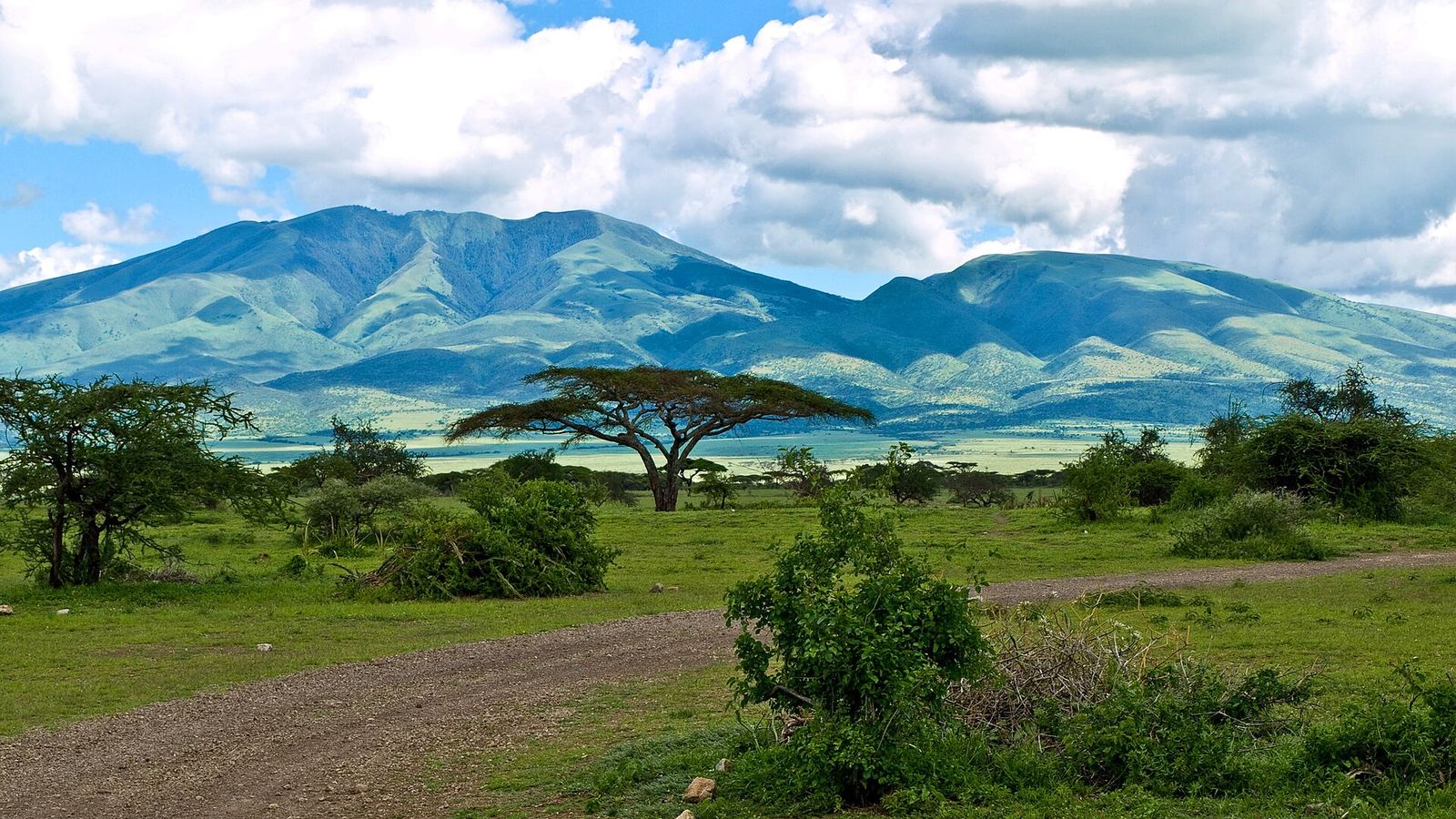
Tanzania – overland guides and trips
Drive through one of the world's richest wildlife ecosystems, from Serengeti plains to remote southern parks. Find local guides who understand tracks, seasons, access rules, and the rhythm of safari overlanding.
Local overland guides and active trips in Tanzania on GuideMeet.
As of October 2026: 81 local guides on GuideMeet operating in Tanzania — 60 4x4, 12 motorcycle, 30 camper / van, 10 bicycle.
Local overland guides in Tanzania
 Maus Safari
Arusha, Tanzania · bicycle / e-bikeWe are a travel company from Tanzania, we offer holidays like wildlife safaris, mountain climbing, cultural tours and Zanzibar beach ⛱️
 Joachim Kivuyo
Arusha, Tanzania · 4x4 carJoachim Kivuyo: Expert Safari Guide, Tanzania On safari, your guide makes all the difference, and guests say Joachim is the reason their trip became unforgetta...
 Mansoor Mohamed
Dar es Salaam, Tanzania · 4x4 carMy name is Mansoor Mohamed. I am a local tour guide located in Dar es Salaam, Tanzania. I can arrange safari and guide tourists in all National Parks in Tanzan...
 Joseph Jafary
Arusha, Tanzania · 4x4 carMashuve Safaris is a Tanzanian-owned safari outfitter based in Arusha. Our experienced guides lead private 4x4 safaris in the Serengeti, Ngorongoro, Tarangire...
 Maven Tanzania Safaris
Arusha, Tanzania · 4x4 carGo on an unforgettable Tanzania safari with Maven Tanzania Safaris, your trusted partner for luxury safaris, wildlife adventures, and cultural experiences. Exp...
 Jambo Masai Tours
Arusha, Tanzania · 4x4 car, 4x4 truck, 4x4 van, offroad motorcycleRafael Salewa is an experienced safari guide and founder of Jambo Masai Tours, based in Arusha, Tanzania. Specializing in overland adventures, wildlife safaris...
 Ballack Charles
Arusha, Tanzania · 4x4 vanI’m a professional safari guide in Tanzania, organizing unforgettable wildlife safaris and cultural tours that connect travelers with nature, local traditions,...
 Innocent Chalamila
Arusha, Tanzania · 4x4 car, 4x4 truck, camper / van, 4x4 van, offroad motorcycle, adventure motorcycle, bicycle / e-bikeInnocent Frank is the founder of Inno Africa Safaris and an experienced safari guide with a deep passion for wildlife, nature, culture, and adventure across Ea...
More local guides in Tanzania (73)
- Anthony Milinga · Arusha, Tanzania
- Aardvark Expeditions Limited · Arusha, Tanzania
- Emmanuel Makindi · Tanzania
- Nata Travel Tanzania · Arusha, Tanzania
- ANAPA Travel Africa Tours · Arusha, Tanzania
- Jonas Ndunguru · Arusha, Tanzania
- Exaudy Samuel · Arusha, Tanzania
- Samari Tours · Arusha, Tanzania
- Sebastian Ally · Arusha, Tanzania
- Meru Slopes Tours & Safaris · Arusha, Tanzania
- Alicia Tairo · Dar es Salaam, Tanzania
- Petit Maasai Safaris · Arusha, Tanzania
- Felix Kiwia · Safari Masters, Tanzania
- Norman Shayo · Dar es Salaam, Tanzania
- Adam Lalana · Zanzibar Island, Tanzania
- John Temu · Arusha, Tanzania
- Kevin Bulger · Arusha, Tanzania
- Andrew Majengo · Arusha, Tanzania
- Stephen Mwakimonga · Arusha, Tanzania
- Car Rentals Arusha · Arusha, Tanzania
- Adabert Pondamali · Tanzania
- Alpha Malinda · Arusha Urban, Tanzania
- Salema Tours & Safaris · Arusha, Tanzania
- Avents Tour Safaris Limited Resty · Kampala, Uganda
- Adson Niwamanya · Kampala, Uganda
- Serval Tours · Nairobi, Kenya
- Emmanuel Ndeleva · Nairobi, Kenya
- Ababa Uganda safaris · Uganda
- Bienvenido Safaris · Nairobi, Kenya
- Satellite Adventures · Kabale, Uganda
- Dianah Legit Holidays · Entebbe, Uganda
- Africa Moja Safaris · Kampala, Uganda
- Finito Msituni Safaris · Kampala, Uganda
- Centric Safaris · Nairobi, Kenya
- Moses Nadduli · Kampala, Uganda
- Wild Bridge Voyage · Kampala, Uganda
- ConQuest Adventures · Nairobi, Kenya
- Musa Magumba · Kampala, Uganda
- JT Safaris · Kampala, Uganda
- makayo Africa safari · Kenya
- Lambula Wild Adventures · Entebbe, Uganda
- Jean Vos · Somerset West, South Africa
- Charel Schreuder · Cape Town, South Africa
- Arcadia Safaris · Kampala, Uganda
- Elly Mwesiga · Kampala, Uganda
- Peku Adventures · Kampala, Uganda
- Oyer Charles · Murchison Falls National Park, Uganda
- Amakula African Safaris ltd · Kampala, Uganda
- Mirama Hills Safaris · Kampala, Uganda
- Johnson Muhindo · Kasese, Uganda
- Priscilla Kamusiime · Kampala, Uganda
- Rob Beadel · Mfuwe, Zambia
- 4x4 Road Trips Africa · Nairobi, Kenya
- Car Hire Africa - Drive Your Own Safari · Kampala, Uganda
- Fleet Foot Safaris · Knysna, South Africa
- Ayaz Ali · Kampala, Uganda
- Denis Galabuzi · Kampala, Uganda
- Bahati Abel · Arusha Airport, JJJF+QXJ، أروشا، تنزانيا
- Certified safaris uganda · Kampala, Uganda
- Africa Motorcycle Tours · Nairobi, Kenya
- Vialey Lutaaya
- Innocent Kasaija · Kampala, Uganda
- Adriko Joachim · Entebbe, Uganda
- Peter Mwanja · Entebbe, Uganda
- Musungu Morris · Kampala, Uganda
- Lottie Banda · Lilongwe, Malawi
- Dominik Hodel · Kigali, Rwanda
- Ssebunya Araphat · Kampala, Uganda
- Robert Murigi · Nairobi, Kenya
- George Gichimu · Nairobi, Kenya
- George Muriuki · Nairobi, Kenya
- Esther Wainaina · Kenya
- Best 4x4 Car Rental Uganda 4x4 hire · Uganda
Active trips in Tanzania
- 3-Day Classic Tarangire, Ngorongoro and Lake Eyasi · 39 days
- 8 Days Tanzania Classic Safari – Arusha, Manyara, Serengeti, Ngorongoro & Tarangire · 30 days
- 6-Day Highlights of Tanzania Mid-Range Safari · 433 days
- Day trip to Serval Wildlife private safari · 1 days
- Days Trip Private Safari Tarangire National Park · 1 days
- 7-Day Masai Mara, Serengeti, Ngorongoro, Kenya Tanzania $1340 · 7 days
Past trips
- 4-DAY TARANGIRE & NGORONGORO CRATER SAFARI · 4 days
- 5-Day Itinerary: Fly into Serengeti → River Crossing Focus → Fly to Zanzibar
- 3 Days Mikumi NP from Dar es Salaam · 3 days
- 5 day safari to Zanzibar
Planning a trip in Tanzania?
Browse local guides for Tanzania and connect with experts who know the terrain, routes and border crossings. Or create your own trip and find travel companions.
Are you a local guide in Tanzania?
Join GuideMeet and get discovered by overland travelers looking for local knowledge, 4x4 support and expedition expertise in Tanzania.
Tanzania for overland travelers
Tanzania is one of those places where the idea of "wild" is still real - not curated, not staged, but vast, unpredictable, and alive. For overlanders, 4x4 travelers, and adventure riders, it offers something rare: the possibility to drive your own vehicle through some of the most iconic landscapes on Earth, where scale, wildlife, and terrain combine into a continuous, immersive experience.
At the core of it all lies a network of legendary national parks - the Serengeti National Park, the Ngorongoro Crater, the Tarangire National Park, and the remote expanses of Ruaha National Park. These are not isolated highlights: they form a vast ecosystem of tracks, plains, and bush routes that can be explored over days or weeks, linking together into true overland itineraries rather than short excursions.
Key destinations
Serengeti
The Serengeti is where Tanzania builds its global reputation. Endless savannah stretches to the horizon, broken only by acacia trees and granite kopjes. Driving here is not technically extreme in the sense of dunes or rock crawling - but it demands a different kind of awareness. Tracks can disappear, surfaces change with the seasons, and navigation often relies more on reading the land than following a GPS line. During the Great Migration, the terrain itself becomes dynamic, shaped by the movement of millions of animals. It is not just driving - it is moving within a living system.
Ngorongoro Crater
The Ngorongoro Crater offers a completely different experience. Descending into it feels like entering a self-contained world: steep access roads, compact tracks, and a dense concentration of wildlife. Here, driving is more controlled but no less intense - constant terrain variation, close encounters, and the need to manage space, traction, and positioning in a confined environment.
Tarangire and Ruaha
Further south, parks like Tarangire and Ruaha shift the balance toward a more raw and less trafficked Africa. Tarangire is defined by its baobab-dotted landscapes and sandy riverbeds, where driving often means dealing with soft sections, dry crossings, and narrow bush tracks.
Ruaha, on the other hand, is pure scale and isolation - long distances, minimal infrastructure, and routes that feel closer to expedition travel than safari tourism.
Lesser-known opportunities
Beyond the parks, Tanzania opens into even more remote territories. Areas like the Selous, now part of Nyerere National Park, and the western corridors toward Mahale introduce river systems, mud tracks, and seasonal challenges that can radically change conditions. In the wet season, what was a simple track can become a technical obstacle. In the dry season, dust, heat, and distance become the primary factors to manage.
Why go
What makes Tanzania unique for overland travel is that wildlife is not something you "visit" - it is something you drive through. Elephants crossing your line, giraffes moving alongside the track, predators resting in the shade just meters away. This changes the rhythm completely: speed becomes irrelevant, positioning becomes critical, and awareness is constant.
Why a local guide matters
Unlike desert environments, here the challenge is not only the terrain but the context. You are navigating within protected ecosystems, often with strict rules, variable track conditions, and real risks. This is why local knowledge is not optional.
Across Tanzania, there is a vast but fragmented network of local guides - many operating independently, often with their own Toyota Land Cruiser configured for safari conditions. These are not generic drivers: they are trackers, mechanics, navigators, and interpreters of the environment. They know which tracks are passable, where water levels are changing, where animals are moving, and how to handle situations that no map can predict.
This is exactly where GuideMeet fits. Instead of relying on lodges, agencies, or scattered contacts, travelers can directly find and connect with these local guides - people who operate daily inside these parks and know them in detail. In a place like Tanzania, where conditions shift quickly and access rules matter, having the right guide is not just about enhancing the experience - it is what makes the experience possible.
Bottom line
In the end, Tanzania is not about technical driving in the traditional sense. It is about scale, immersion, and awareness. It is about learning how to move through one of the richest ecosystems on the planet without breaking its balance. If Tunisia teaches precision in sand, Tanzania teaches something different: how to drive in a world that is not built for you - and still belong there.
Travelling with a local guide
Not sure whether you need a guide, or how to pick one you have never met? Travelling with a local guide covers when a guide is genuinely needed, what to check before leaving (permits, vehicle, emergency contacts) and how to agree price and exceptions.
Frequently asked questions
How do I find overland guides in Tanzania on GuideMeet?
Browse local guides for Tanzania on GuideMeet, compare their experience, vehicles and languages, and message them directly to plan routes, permits and border crossings. As of October 2026, there are 81 local guides on GuideMeet operating in Tanzania (60 4x4, 12 motorcycle, 30 camper / van, 10 bicycle).
How much does it cost to contact a guide in Tanzania?
Nothing — GuideMeet is free and takes no commission. You contact the guide directly on the platform and agree terms between yourselves, with no middleman.
Are you a local guide in Tanzania?
Join GuideMeet and get discovered by overland travelers looking for local knowledge, 4x4 support and expedition expertise in Tanzania.