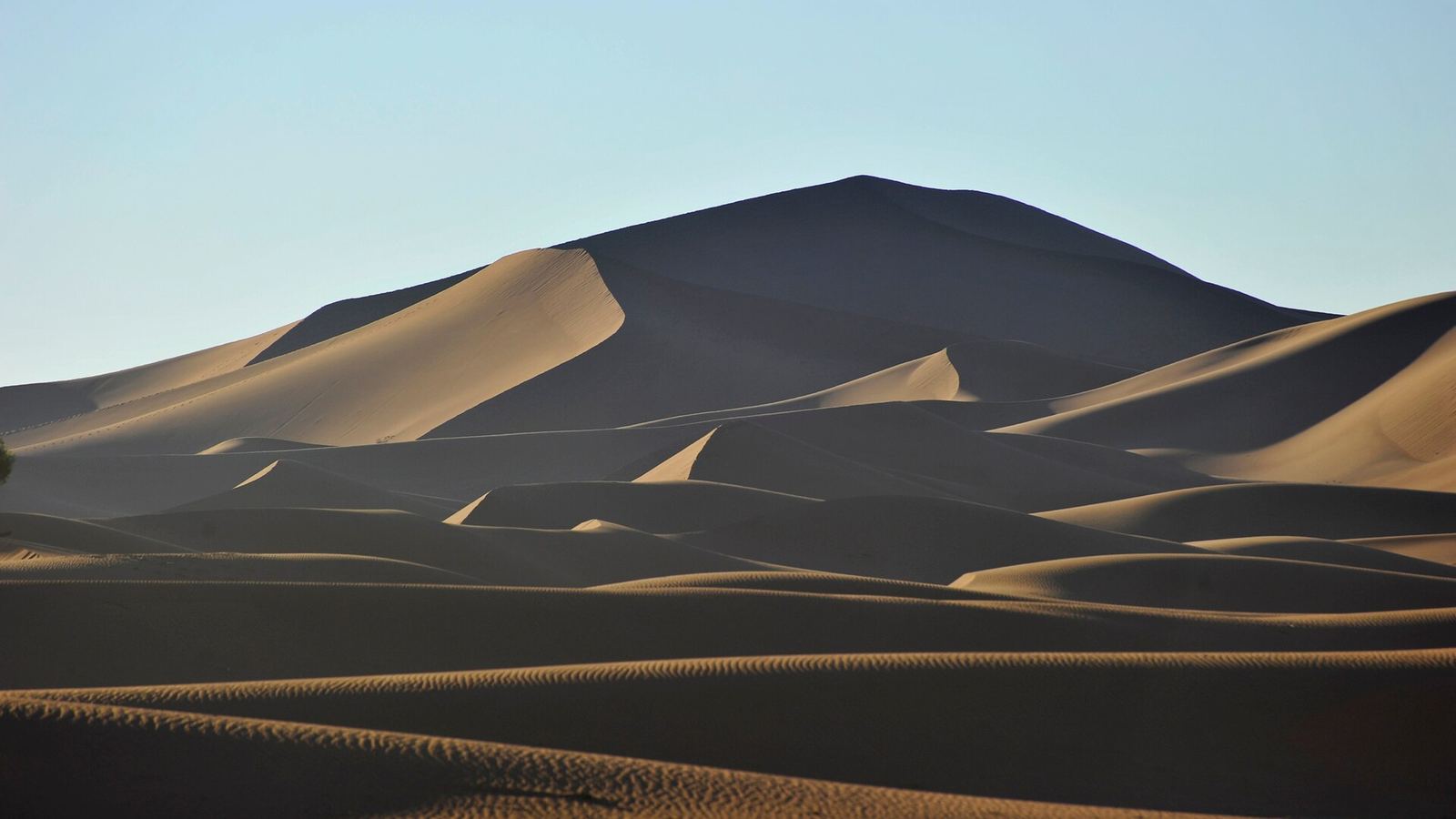
Is Morocco safe to travel?
Updated October 2026
🌐 Italiano · Français · Español
Is a guide mandatory in Morocco?
No, useful but not mandatory
What governments say
The travel advice level each government gives for Morocco, in its own words (for the United Kingdom, a summary by GuideMeet). Levels are not comparable between countries. Checked by GuideMeet on 4 November 2026.
| Government | Advice | Updated | Official page |
|---|---|---|---|
| United Kingdom (FCDO) | No advice against travel | Read the advice | |
| United States (State Department) | Level 2: Exercise Increased Caution | Read the advice | |
| Canada (Global Affairs Canada) | Exercise a high degree of caution Some areas have different advice: see the official page. | Read the advice | |
| Australia (Smartraveller) | Exercise a high degree of caution | Read the advice | |
| France (France Diplomatie) | See the zone map | Read the advice |
Contains public sector information licensed under the Open Government Licence v3.0. Contains information licensed under the Open Government Licence – Canada. Source: Department of Foreign Affairs and Trade's Smartraveller website, licensed under CC BY 4.0. Source: France Diplomatie, Ministry for Europe and Foreign Affairs, Licence Ouverte 2.0, updated 10 September 2026.
At a glance, if you go with your own vehicle
- Roads: 18.6 deaths per 100,000 people a year, about 3.7 times Italy (5.0); WHO Eastern Mediterranean region 16.4, world 15.0 (WHO estimate for 2021). (World Health Organization — Global status report on road safety 2023)
- Vehicle, drones and permits Drones Temporary import of your vehicle Vehicle insurance Off-road driving and protected areas what the official sources of the country say
- Overland regions
Advice from local guides
Magnus Öhrnell
3 November 2026Morocco offers fantastic opportunities for motorcycle adventures, the biggest challenge is often the unpredictable traffic. You share the roads with everything from donkeys and overloaded vehicles to children playing or selling goods along the roadside. Always expect the unexpected, stay alert and adapt your speed to the conditions, especially when passing through villages.
Youssef Ait el caid
3 November 2026To go into the desert, have your car, motorcycle or truck properly checked. Carry extra diesel in jerrycans in case you break down. The track from Boudnib to Merzouga and Zagora, all the way to Tata, is in good enough condition, and in every village you will find small shops selling petrol and diesel. In the Western Sahara region, between Assa-Zag and Es-Semara, don't go alone, as far as water and fuel points are concerned: go with a guide or have a GPS downloaded in your 4x4 or on your motorcycle. There are stretches of 500 km or more without diesel.
Automatic translation.
Original text
Pour aller au désert, il faut bien contrôler techniquement votre voiture, moto, camion. L'aventure vous permettra de prendre plus de gazoil en jerricane, en cas de panne. La piste entre Boudnib, Merzouga et Zagora jusqu'à Tata est suffisamment bien, et dans chaque village vous allez trouver des petites boutiques qui vendent essence et gazoil. Dans la région du Sahara occidental, entre Assa-Zag et Es-Semara, il ne faut pas aller tout seul, en ce qui concerne les points d'eau et de fuel : il faut aller avec un guide ou avoir un GPS téléchargé dans votre 4x4 ou moto. Il y a des distances de 500 km ou plus sans trouver de gazoil.
Mustapha Ait Ahmad
3 November 2026My advice for travellers driving their own vehicles in Morocco is to always check road conditions before heading into the Atlas Mountains, especially during winter, as snow and heavy rain can affect mountain roads. Make sure you have enough fuel before travelling to remote villages, and never underestimate mountain driving times. A local guide can also help you discover the best routes and avoid unnecessary difficulties.
Mohammed Amdyaz
3 November 2026In Morocco, especially in the south and in the desert, the distances between villages and fuel stations can be long. I always advise travellers to fill up whenever they have the chance, to keep enough water with them and to check the condition of their vehicle before heading onto the tracks. It is also important never to venture alone onto desert tracks without knowing the area, especially after heavy rain or during periods of intense heat. Road conditions can change quickly.
Automatic translation.
Original text
Au Maroc, surtout dans les régions du Sud et du désert, les distances entre les villages et les stations-service peuvent être longues. Je conseille toujours aux voyageurs de faire le plein de carburant dès qu'ils en ont l'occasion, de garder suffisamment d'eau et de vérifier l'état de leur véhicule avant de prendre les pistes. Il est également important de ne jamais s'aventurer seul sur les pistes désertiques sans connaître la région, surtout après de fortes pluies ou pendant les périodes de chaleur intense. Les conditions des routes peuvent changer rapidement.
Motorhome Morocco J-L Leisure
5 November 2026In the High Atlas, some roads become difficult after rain or snowfall. In the south, tracks can be damaged, covered in sand or cut by flash floods. Our advice: never take an isolated track just because it shows up on a GPS. … One of the most common mistakes travellers make is underestimating the distances between villages and fuel stations, especially in the remote regions of the south and the Anti-Atlas. … In Morocco, 200 kilometres can sometimes take several hours, especially on mountain roads. Our recommendation is simple: better to discover three regions calmly than to rush across the whole country.
Automatic translation.
Original text
Dans le Haut Atlas, certaines routes deviennent difficiles après les pluies ou les chutes de neige. Dans le sud, les pistes peuvent être dégradées, ensablées ou coupées par des crues soudaines. Notre conseil : ne jamais s'engager sur une piste isolée uniquement parce qu'elle apparaît sur un GPS. … L'une des erreurs les plus fréquentes des voyageurs est de sous-estimer les distances entre les villages et les stations-service, notamment dans les régions reculées du sud et de l'Anti-Atlas. … Au Maroc, 200 kilomètres peuvent parfois nécessiter plusieurs heures, particulièrement sur les routes de montagne. Notre recommandation est simple : mieux vaut découvrir trois régions tranquillement que traverser tout le pays dans la précipitation.
Toubkal Local Guide
6 November 2026Mountain roads can be narrow, steep and winding. … The climate in the High Atlas changes considerably throughout the year. November to April: Expect colder temperatures, rain and sometimes heavy snowfall. Some mountain passes and tracks can become difficult or temporarily inaccessible. … May to October: Cities and desert regions can experience very high temperatures, while the mountains generally offer more comfortable conditions… Spring and early autumn generally offer excellent conditions for exploring the mountains and valleys. … Carry enough drinking water and food for long journeys. Avoid unfamiliar tracks without first asking local residents about their condition.
Desert Sahara Life
9 November 2026Roads and tracks: the tracks between M’Hamid, Erg Chigaga and Lake Iriki cross magnificent landscapes, but some stretches are sandy, isolated and difficult to travel without desert experience. A suitable 4x4 is essential on some tracks, and it is strongly advised never to venture alone into the desert without knowing the terrain. Seasons: the best time to discover the Sahara is generally from October to April, when temperatures are more pleasant. From May to September the heat can become extreme, particularly for long walks or camel treks; 4x4 excursions remain possible with good preparation and by avoiding the hottest hours. Permits and checkpoints: travellers must always keep their passports, identity papers and vehicle documents within reach. You must respect checkpoints and ask the local authorities before heading to isolated or sensitive areas, especially near the borders. Fuel, water and distances: it is essential to fill up with fuel in M’Hamid before setting off towards the dunes and the remote tracks. Always carry enough drinking water and food, and a fuel reserve suited to your route, because fuel stations and supply points are very rare in the desert. The most common mistake: the biggest mistake is to underestimate the desert and to think that a GPS or a good car is enough to get around safely. Sand, wind, changes in the terrain and the lack of phone signal can quickly complicate a situation; the advice of a local guide can make all the difference.
Automatic translation.
Original text
Routes et pistes : les pistes entre M’Hamid, Erg Chigaga et le lac Iriki traversent des paysages magnifiques, mais certaines portions sont sablonneuses, isolées et difficiles à parcourir sans expérience du désert. Un véhicule 4x4 adapté est indispensable pour certaines pistes, et il est fortement conseillé de ne jamais s'aventurer seul dans le désert sans connaître le terrain. Les saisons : la meilleure période pour découvrir le Sahara est généralement d'octobre à avril, lorsque les températures sont plus agréables. De mai à septembre, la chaleur peut devenir extrême, particulièrement pour les longues randonnées à pied ou à dos de chameau ; les excursions en 4x4 restent possibles avec une bonne préparation et en évitant les heures les plus chaudes. Autorisations et postes de contrôle : les voyageurs doivent toujours garder leurs passeports, leurs papiers d'identité et les documents du véhicule à portée de main. Il faut respecter les postes de contrôle et se renseigner auprès des autorités locales avant de rejoindre les zones isolées ou sensibles, notamment à proximité des frontières. Carburant, eau et distances : il est essentiel de faire le plein de carburant à M’Hamid avant de partir vers les dunes et les pistes éloignées. Prévoyez toujours suffisamment d'eau potable, de nourriture et une réserve de carburant adaptée à votre itinéraire, car les stations-service et les points de ravitaillement sont très rares dans le désert. L'erreur la plus fréquente : la plus grande erreur est de sous-estimer le désert et de penser qu'un GPS ou une bonne voiture suffisent pour s'y déplacer en toute sécurité. Le sable, le vent, les changements de terrain et l'absence de réseau téléphonique peuvent rapidement compliquer une situation ; les conseils d'un guide local peuvent faire toute la différence.
Said Lakhzaz
10 November 2026In my experience, the best season to travel in Morocco and discover the desert starts in September and ends in May. October to April is particularly pleasant for exploring the Sahara, with milder temperatures during the day. From June to August, on the other hand, the heat can be extreme, especially in the desert, and I advise avoiding long excursions during that period. An important tip: even in winter, nights in the desert can be very cold, so it is essential to bring warm clothes.
Automatic translation.
Original text
D'après mon expérience, la meilleure saison pour voyager au Maroc et découvrir le désert commence en septembre et se termine en mai. Les mois d'octobre à avril sont particulièrement agréables pour explorer le Sahara, avec des températures plus douces pendant la journée. En revanche, de juin à août, la chaleur peut être extrême, surtout dans le désert, et je conseille d'éviter les longues excursions pendant cette période. Un conseil important : même en hiver, les nuits dans le désert peuvent être très froides. Il est donc essentiel de prévoir des vêtements chauds.
Going with your own vehicle?
85 local guides on GuideMeet work in Morocco: they know the roads, the permits and the areas to avoid. You contact them directly, free and with no commission.
 Anas Lakhmari
Marrakech, Maroc- Mohammed Amdyaz
Marrakesh, Morocco  Trek desert Morocco
Merzouga, Morocco Mhamid Excursions Berber
Mhamid, Morocco Desert Tours Morocco
Marrakech, Maroc ABDELILAH Tsouli
Ifrane, Maroc
Trips with local guides
Safety
Our summary of the country advice published by the Italian Ministry of Foreign Affairs (Viaggiare Sicuri) on 20 April 2026.
Crime
Theft and pickpocketing are the common problem rather than violence against travellers. Demonstrations happen in the cities and usually pass off without trouble.
Terrorism
The authorities keep the alert level high and have dismantled cells in recent years. The risk is considered to exist countrywide, with more caution advised in crowded places frequented by foreigners.
Mined areas south-east of Guelmim
In the region bordering Western Sahara some areas are still mined. If you ride or drive a 4x4 on unpaved roads there, the ministry asks you to report your route to the Moroccan gendarmerie or to the local Caid before setting off.
Border and southern regions
Extra caution is advised near the Algerian border in the south-east, and at Dakhla, Laayoune and across Western Sahara.
Earthquakes
Morocco is seismically active. The magnitude-7 earthquake of 8 September 2023 struck the Marrakesh region.
New on GuideMeet
 Hamza Ahjib
Agadir, Morocco Said Elbaz
Merzouga, Morocco Maroc Aventures
M’Hamid Erg Chegaga, Morocco
Before you rely on this
This is our summary of advice written by the Italian Ministry of Foreign Affairs for Italian travellers, published on 20 April 2026. We summarise in good faith, but we cannot guarantee it is accurate, current or complete, and we take no responsibility for decisions made on the basis of it. Rules change without notice and are applied by officials at the border, not by websites. Always read the original source and the travel advice your own government publishes for Morocco before you travel. Where a guide's profile shows “Licence verified”, we found that licence in the official public register; otherwise GuideMeet has no way of checking whether an individual guide meets any standard mentioned here — ask them directly.
Source: Viaggiare Sicuri — Italian Ministry of Foreign Affairs, updated 20 April 2026. Last checked by GuideMeet on 7 October 2026.