GuideMeet country page
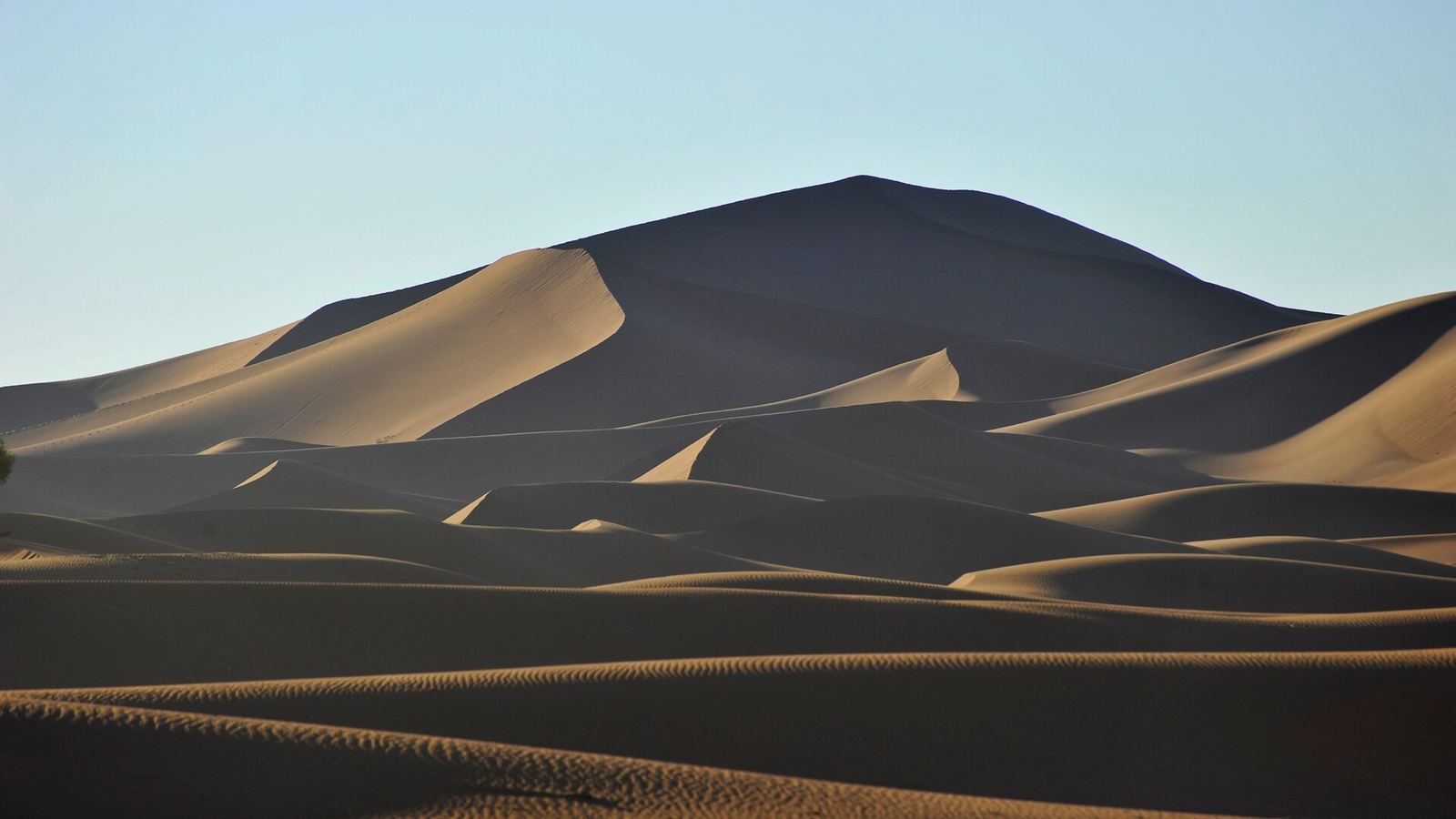
Morocco – overland guides and trips
A complete overland playground where mountains, pistes, and vast ergs blend into one continuous journey. From Atlas passes to Dakar-style tracks, every route offers progression, variety, and scale. The perfect place to explore, connect, and experience the desert in all its forms.
Local overland guides and active trips in Morocco on GuideMeet.
As of October 2026: 72 local guides on GuideMeet operating in Morocco — 54 4x4, 34 motorcycle, 25 camper / van, 25 bicycle.
Local overland guides in Morocco
 Desert Tours Morocco
Marrakech, Maroc · 4x4 car, 4x4 truck, camper / van, offroad motorcycle, 4x4 van, bicycle / e-bike, adventure motorcycleWww.deserttoursmorocco.com We Organais Tours in all over Morocco offroad camel trek asistance car bikes motobikes all Morocco Tours from,Marrakech,tangier,Fes,...
 Taghlaoui Hassan
Merzouga Desierto, Marruecos · 4x4 car, camper / van, 4x4 truck, 4x4 van, offroad motorcycle, adventure motorcycle, bicycle / e-bikeI am Hassan, a tour guide in Morocco and organizer of private trips with Sahara Discovery Tours. With experience and passion for my country, I organize routes...
 Desert Sahara Life
M'Hamid El Ghizlane, Morocco · 4x4 carDesert Sahara Life was born in M’hamid El Ghizlane, the gateway town where the paved road ends and the Moroccan Sahara begins. For more than 10 years, our team...
 Younes Ouzine
Marrakesh, Morocco · 4x4 carVintage Morocco Travel specializes in private 4x4 Morocco tours, taking you off the beaten track from the rugged Atlas Mountains to the vast landscapes of the...
 Younes Mter
Zagora, Morocco · 4x4 carWe are Caravane Du Grand Erg, a local tour operator based in Zagora, Morocco. We organize private 4x4 trips and desert tours to Erg Chigaga, Erg Lihoudi and th...
 Khalid Aboudhak
Agadir, Maroc · offroad motorcycle, adventure motorcycle, bicycle / e-bikeMotorcycle and scooter rental in Agadir, including trail bikes, and motorcycle tours with numerous destinations. Among our motorcycles: Yamaha Ténéré 700, Suzu...
 Desert Amnir
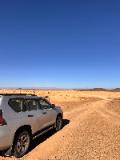
Marrakesh, Morocco · 4x4 carWelcome, explorers! At Desert Amnir, we invite you to experience the desert as never before. Named after the Amnir, the revered guide responsible for leading c...
 Brahim Ouargaga
Merzouga, Morocco · 4x4 car, 4x4 truck, camper / van, 4x4 van, offroad motorcycle, adventure motorcycle, bicycle / e-bikeI am Brahim Ouargaga from Merzouga , i guide different Vehicles in Merzouga Sand Dunes also i offer different activities like overnight in the camp and camel r...
More local guides in Morocco (64)
- Trek desert Morocco · Merzouga, Morocco
- Mhamid Excursions Berber · Mhamid, Morocco
- Chefchaouen Adventures Travel Agency · Chauen, Marruecos
- Morocco Merzougatour · Merzouga, Morocco
- Lahsan El Gasmi · M'Hamid El Ghizlane, Maroc
- Racines du Désert · M'Hamid El Ghizlane, Maroc
- Mohammed Amdyaz · Marrakesh, Morocco
- Nourddine Ait Hommad · Marrakech, Maroc
- Magnus Öhrnell · Marrakech, Marocko
- Mustapha ait ahmad · Imlil, Morocco
- Ô Voyage · Casablanca, Maroc
- Hassan Baghmad · Imlil, Morocco
- Hamid El Askalani · Marrakech, Maroc
- Hamid El Maliky · Marrakech, Maroc
- Radouane Isouktan · Marrakesh, Morocco
- Zaid Ramlia · Marrakesh, Morocco
- Morocco Enduro Ride · Merzouga, Morocco
- Hassan Ladib · Marrakesh, Morocco
- Amar Taouchikht · Morocco
- Lahcen Seggaoui · Merzouga Desierto, Morocco
- Mustapha Hamouidate · محاميد الغزلان, محاميد الغزلان، المغرب
- Hamza Chao · Casablanca, Maroc
- Abdelhak Lahmidi · Foum Zguid, Morocco
- Abdellatif Ifraden · Marrakesh-Safi, Morocco
- Mohamed Tfil · Marrakesh, Morocco
- Ali Oubassidi · Merzouga, Morocco
- Ismail Mter · Zagora Desert Travel & Morocco Desert Tours, Maroc
- Aziz Merzougaoutdoors · Merzouga, Maroc
- Atlas Enduro Adventure · Marrakech, Maroc
- Marrocos Tours · Marrakech, Maroc
- Aalla Mohammed · Merzouga, Morocco
- Hassan AIT EL HAJ · Marrakesh, Morocco
- Noureddine Nidali · Amizmiz, Morocco
- Acharw Lahcen · Marrakech-Safi, Maroc
- Ismail Housni · Aït Ben Haddou, Maroc
- Oubaha Mohamed · Merzouga, Morocco
- Mohammed Aalla · Merzouga, Morocco
- Abdelouahab Dafli · Marrakech, Maroc
- Brahim Labdaa · Mhamid, Morocco
- Rachid Azdour · Marrakesh, Morocco
- Ibrahim Essoussy · Ourika, Morocco
- Aziz Ennaji · Mhamid, Morocco
- Allal Kiki · Ouarzazate, Maroc
- YOUNESSE Azdour · Marrakesh, Morocco
- Ali Ennaji · Zagora, Morocco
- Mhamed Tihami · Fes, Morocco
- Hannah Henry · Tamraght, Morocco
- Ismail Balfoul · Marrakesh, Morocco
- Mustafa Boulaaouane · Ouzina, Morocco
- Morocco Desert tour · Ouarzazate, Morocco
- Gregorio Garrido García · Guadix, España
- Yahia Taknante · Maroc antenne, Côte d'Ivoire
- Youssef Ait el caid · 3 Days tour from Marrakech to Fes, Spain
- Alex Grau · Sant Llorenç Savall, España
- Maurizio Turco · Roma, Italia
- Laïd Biou Sahara Africa Tours · Djanet, Algeria
- Moto Travel Dude · London, UK
- Aries Moto Tours · Málaga, Spagna
- Active 4x4 Adventures · United Kingdom
- Massimo Biadati · Finale Ligure, Italy
- Motorhome Morocco J-L Leisure
- Khalifa Sahara
- Larbi EL BAZE · Oued Ed-Dahab-Lagouira
- App Review Guide · Milan, Italy
Active trips in Morocco
- 3 Days Desert Tour from Marrakech to Merzouga · 3 days
- 2 Days from Marrakech to Zagora Desert · 2 days
- 2 Days Marrakech Sahara Desert Tour to Erg Lihoudi · 2 days
- MAROCCO 4x4 ESTATE - Sahara Mare & Citta' Imperiali · 19 days
- Marocco 4x4 - Il grande sud · 14 days
- 4×4 Adventure Through the Moroccan Desert · 1 days
Past trips
- 3 Days Atlas Mountains Trek - Imi Oughlad - Azzaden Valley & Imlil · 3 days
- 6 Days Berber Villages · 6 days
- Morocco tours
- 2-Day Mount Toubkal Trek from Marrakech · 2 days
- 3 days from Merzouga to Foum Zguid by off-road. · 4 days
- 6 Days / 5 Nights Morocco Tour Casablanca → Chefchaouen → Fes → Sahara Desert → Dades Valley → Marrakech
Planning a trip in Morocco?
Browse local guides for Morocco and connect with experts who know the terrain, routes and border crossings. Or create your own trip and find travel companions.
Are you a local guide in Morocco?
Join GuideMeet and get discovered by overland travelers looking for local knowledge, 4x4 support and expedition expertise in Morocco.
Morocco for overland travelers
Morocco is one of the most complete and rewarding destinations in the world for 4x4 and overland travel. It compresses, in a relatively compact geography, everything an expedition traveler looks for: vast dune systems, remote desert tracks, historic rally routes, high mountain crossings, and a deep culture of travel rooted in caravans and exploration. For anyone moving on four wheels or two, Morocco is not just a destination — it is a terrain designed for movement.
From an overlanding perspective, the country naturally divides into three major playgrounds: the Sahara and its ergs, the pre-Saharan piste networks, and the Atlas mountain systems.
Key destinations
Sahara
The Sahara is the core magnet. The two iconic dune systems — Erg Chebbi (near Merzouga) and Erg Chigaga (south of M'Hamid) — offer very different experiences. Erg Chebbi is more accessible, with towering dunes rising directly from the asphalt, making it ideal for first desert approaches. Erg Chigaga, by contrast, requires hours of off-road driving across hammada and soft sand, delivering a much more remote and expedition-like feeling. Here, navigation, tire pressure management, and convoy discipline become central.
Between and around these ergs lies a dense network of pistes — the real fabric of Moroccan off-road travel. These tracks cross dry riverbeds (oueds), stony plateaus, and vast empty spaces where orientation is based more on terrain reading than on GPS. Sections like the route from Zagora to M'Hamid, or the long tracks connecting Foum Zguid to the dunes, are quintessential overland experiences: long, isolated, and visually overwhelming.
Southern Morocco
Morocco is also deeply tied to the mythos of the Paris–Dakar Rally. Many of the classic Dakar stages ran through southern Morocco before crossing into Mauritania, and parts of those routes are still drivable today. The feeling is distinct: fast gravel pistes, endless horizons, and the sense of following a line shaped by decades of rally history. Areas around Tan-Tan, Tata, and the Jebel Bani ridges still carry that DNA — they are not technical in a trial sense, but they demand pace management, navigation awareness, and mechanical reliability.
Atlas Mountains
The Atlas Mountains introduce a completely different dimension. The High Atlas, in particular, offers some of the most spectacular overland routes in North Africa. Tracks like the crossing from Imilchil to the Dades Valley, or the remote passes above 2,500 meters, combine altitude, exposure, and constantly changing terrain. Here you move from tight rocky climbs to wide valleys carved by erosion, often in a single day. Weather and seasonality matter: snow can block passes well into spring, while summer brings heat even at elevation.
Anti-Atlas and Jebel Bani
The Anti-Atlas and Jebel Bani regions act as a transition between mountains and desert. These areas are often overlooked but are among the most visually striking: layered rock formations, fossil fields, and long ridgelines that create natural corridors for off-road travel. The pistes here are more technical in terms of navigation than driving, making them ideal for those who enjoy route-finding as much as driving itself.
Why go
What makes Morocco particularly powerful for adventure travel is continuity. You can start from a ferry in Tangier, cross the Middle Atlas forests, descend into the desert, run Dakar-style pistes, sleep in the dunes, and then climb back into high mountain passes — all within a single loop. Few places offer that density of environments without requiring logistics-heavy border crossings.
Preparing your vehicle
From a vehicle perspective, Morocco is forgiving but not trivial. A well-prepared 4x4 — classic platforms like Land Cruisers are ubiquitous — is ideal, but adventure motorcycles are equally common, especially on Dakar-inspired routes. The key variables are fuel range, suspension resilience, and the ability to manage sand and heat. Mechanical simplicity remains an advantage, especially in remote southern areas.
Why a local guide matters
Finally, there is a structural element that makes Morocco unique for a platform like GuideMeet: the presence of a large number of local guides operating semi-independently. Many of them own their vehicles, know specific regions intimately, and work through informal networks rather than formal agencies. This creates a fragmented but extremely rich ecosystem — exactly the kind of environment where a guide marketplace unlocks disproportionate value.
Bottom line
In synthesis, Morocco is not just a destination to visit, but a system to traverse. It offers progression — from easy entry-level desert driving to fully self-supported expeditions — and a rare combination of accessibility, scale, and authenticity. For anyone building or participating in overland journeys, it remains one of the most complete terrains available.
Before you go: learn to drive on sand
New to dunes and desert pistes? Read our practical handbook: Sand driving in a 4x4 — the complete guide (tire pressures, dunes, getting unstuck, recovery, vehicle prep).
Travelling with a local guide
Not sure whether you need a guide, or how to pick one you have never met? Travelling with a local guide covers when a guide is genuinely needed, what to check before leaving (permits, vehicle, emergency contacts) and how to agree price and exceptions.
Travelling solo? You may only need a guide for one stretch
Handling most of the route yourself but not sure about this one? When a solo overlander needs a local guide for one stretch covers where this comes up, what the guide actually does, and how to arrange it.
Frequently asked questions
How do I find overland guides in Morocco on GuideMeet?
Browse local guides for Morocco on GuideMeet, compare their experience, vehicles and languages, and message them directly to plan routes, permits and border crossings. As of October 2026, there are 72 local guides on GuideMeet operating in Morocco (54 4x4, 34 motorcycle, 25 camper / van, 25 bicycle).
How much does it cost to contact a guide in Morocco?
Nothing — GuideMeet is free and takes no commission. You contact the guide directly on the platform and agree terms between yourselves, with no middleman.
Are you a local guide in Morocco?
Join GuideMeet and get discovered by overland travelers looking for local knowledge, 4x4 support and expedition expertise in Morocco.