Overland region
Akagera by 4x4: local guides and trips
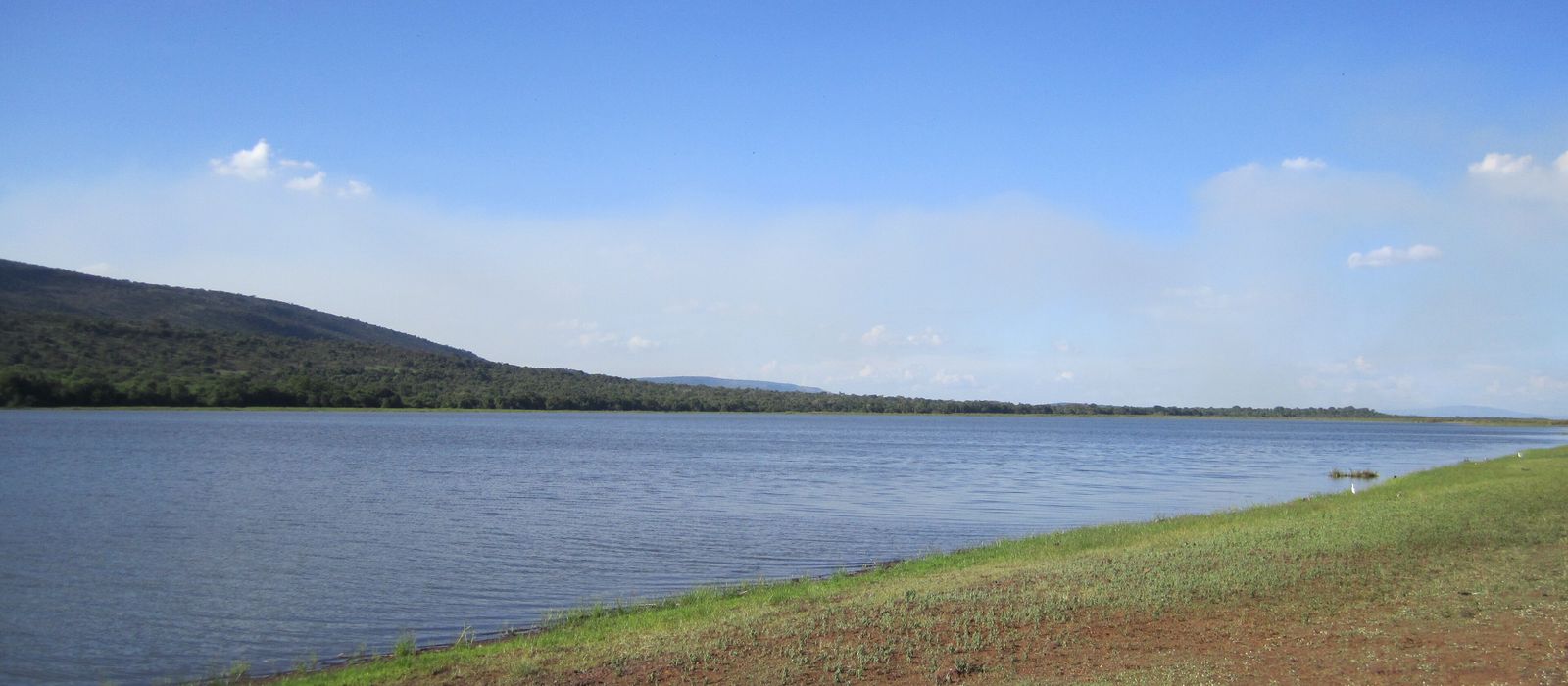
Akagera National Park, about 1,200 km² in Rwanda's Eastern Province on the border with Tanzania, was established in 1934 and is run by African Parks together with the Rwanda Development Board. A third of it is water, and Lake Ihema, the largest of its lakes, lies in the south; further north are the Mutumba hills and the Kilala Plain. Lions returned in 2015 and black rhinos in 2017. Kigali is about 110 km away, about two hours by road. For anyone travelling with their own vehicle it means a park open to private vehicles from 6am to 6pm, entered through the southern gate only, with a 4x4 recommended in the wet season and a park guide who can ride along from the southern reception. Here are the local guides who work in the area and the trips that cross it.
3 local guides and 2 trips in Akagera on GuideMeet.
On the map
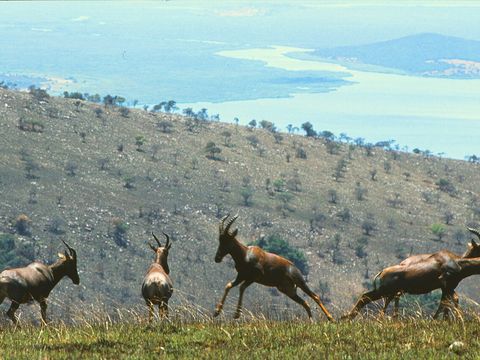 Akagera National Park — Park. Established in 1934, it has been managed since 2010 by African Parks and the Rwanda Development Board through the Akagera Management Company. Lions were reintroduced in 2015, eastern black rhinos in 2017 and 2019, and southern white rhinos in 2021 and in June 2025; almost 500 bird species have been recorded. Pictured: a topi. -1.6330, 30.7830 · Google Maps
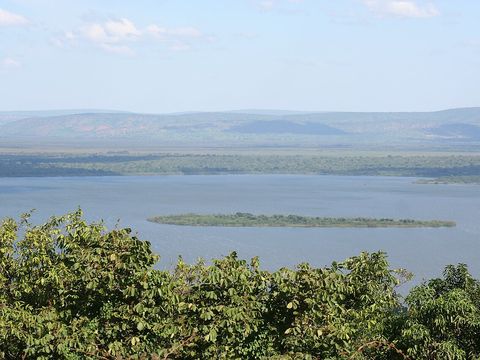 Lake Ihema — Lake. The park's largest lake, in the southern sector in Kayonza District, at 1,292 m and on average 5 m deep. Four scheduled boat trips a day, the last at sunset, go out among hippos, Nile crocodiles and waterbirds. -1.8633, 30.8111 · Google Maps
- Ruzizi Tented Lodge — Camp. Park-run lodge with nine tents among palms and fig trees on the shore of Lake Ihema, about 6 km (15 minutes) inside the main gate in the southern sector. It runs on solar power. -1.9066, 30.7171 · Google Maps
- Lake Shakani — Lake. Lake in the south of the park, with a lakeshore campsite 15 minutes from the main gate: running water, flush toilets, solar-heated showers and tents for hire at reception, without bedding. Fishing is allowed with your own equipment. -1.8633, 30.7450 · Google Maps
- Mutumba Hills — Viewpoint. Hills in the north of the park, with a campsite on top looking over the lakes and towards Tanzania, in an area grazed by herds of buffalo and zebra, close to the Muhana and Kilala plains. It is a 2 to 3 hour drive from the southern main gate, and campers bring all their own equipment. -1.6019, 30.6461 · Google Maps
- Lake Rwanyakazinga — Lake. Lake of 19.6 km², 10.3 km long, at 1,442 m, between Nyagatare and Gatsibo districts. Hippos and Nile crocodiles live in it, and elephants, buffalo and zebras come down to its shores. Wilderness Magashi camp overlooks it. -1.4636, 30.6676 · Google Maps
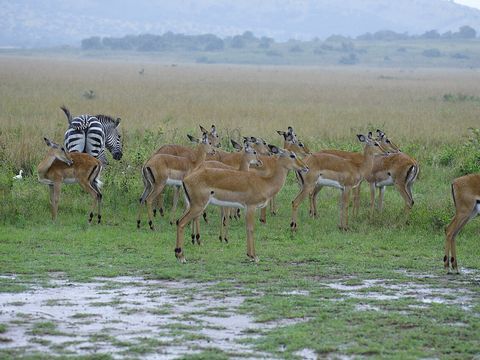 Karenge Bush Camp — Camp. Park-run camp in the north, open year-round, looking out over the Kilala Plain. Self-drivers heading to Karenge can pick up a guide at the southern reception before driving north. Pictured: antelope and zebras on the Kilala Plain. -1.4371, 30.5715 · Google Maps
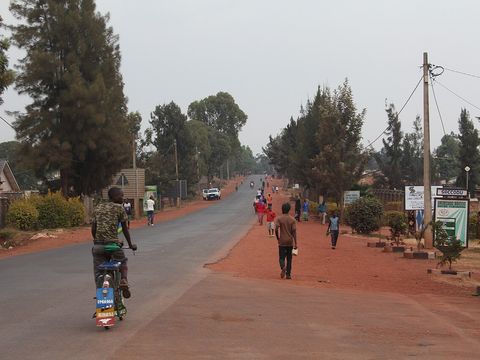 Kayonza — Town. Small town on a roundabout where the road east from Kigali splits, north towards the Ugandan border and south towards Tanzania. It is a truck stop with two petrol pumps, a small hotel and a twice-weekly market. Guides who leave the park through the north gate are dropped off here. Pictured: a street in Kayonza District. -1.9050, 30.5102 · Google Maps
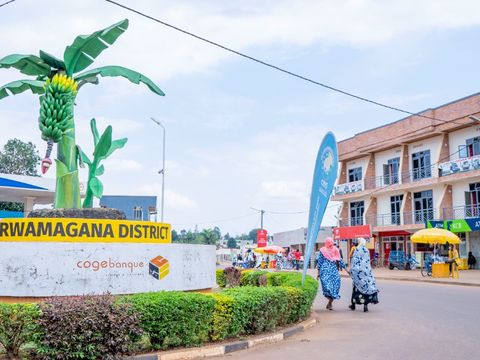 Rwamagana — Town. Capital of the Eastern Province, about 50 km from Kigali on the road east from Kigali to Kayonza and the park. A bypass now keeps through traffic out of the centre; the two petrol stations are on the main east–west road. -1.9512, 30.4349 · Google Maps
Local guides in Akagera
 David: Skyway Expeditions ltd.
Rwanda · 4x4 van, 4x4 car Ababa Uganda safaris
Uganda · 4x4 car Visit Rwanda
Kigali, Rwanda · 4x4 car
Rwanda: guides by vehicle
Overland trips in Akagera
- 7 Day trip to Rwanda — 7 days · Rwanda
- 3-Day Akagera Big Five Safari — Rwanda 4x4 Wildlife Adventure — 3 days · Rwanda
When to go
Rain falls mostly from March to May and in October and November; June to September is the long dry season and generally the warmest time. Rainfall averages about 750 mm a year, with average daily temperatures of 24 to 28 °C. The park recommends a 4x4 in the wet season.
Before you go
- All guides and trips in Rwanda
- Do you need a local guide in Rwanda?
- Is Rwanda safe to travel?
- Driving and local rules in Rwanda
Photo credits
Author and licence (or permission) for each photo.
- Akagera: John Cooke, CC BY 2.0
- 1. Akagera National Park: Braunov, CC BY-SA 3.0
- 2. Lake Ihema: John Cooke, CC BY 2.0
- 7. Karenge Bush Camp: Wood Wildlife Photography, CC BY-SA 4.0
- 8. Kayonza: Vivien Henry de Frahan, CC BY-SA 4.0
- 9. Rwamagana: Nzemerimanan, CC0


