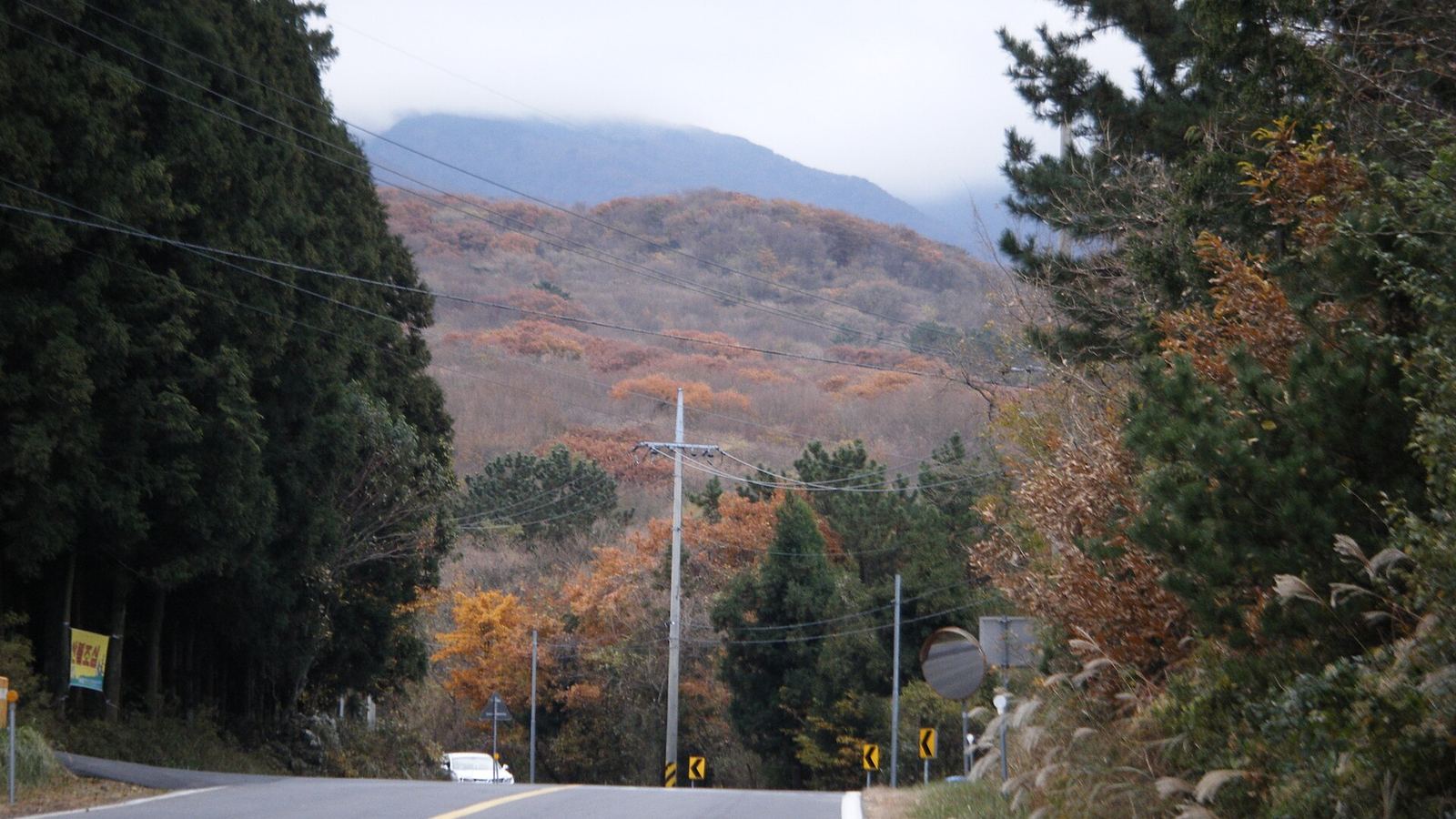
Rules for overlanding in South Korea
Updated November 2026
🌐 Italiano · Français · Español
Is a guide mandatory in South Korea?
No, not needed for most trips
Our summary of the country advice published by the Italian Ministry of Foreign Affairs (Viaggiare Sicuri) on 7 October 2026.
Which driving licence do I need in South Korea?
All vehicles
An International Driving Permit (1949 Geneva or 1968 Vienna model) is accepted; check what applies to the licence you hold. To hire a car, a foreigner needs more than one year of driving experience in their own country, an International Driving Permit, to be over 21, and a passport.
An International Driving Permit states the categories it covers: check yours covers what you will actually drive. A car licence does not cover a motorcycle, and a heavy camper or a truck can need a higher category.
At the wheel
What insurance do I need to drive in South Korea?
Vehicle insurance is compulsory.
What do I need to bring my own vehicle into South Korea?
An ATA carnet has to be paid for. Customs generally cap the maximum import period for a vehicle at six months, so contact the Korean customs authorities in advance for the exact procedure.
What is the drink-driving limit in South Korea?
The blood alcohol limit is 0.03% and driving under the influence is treated as a serious offence. Night checkpoints for exactly this are widespread everywhere and breath tests are carried out routinely on drivers who are stopped. Riding a bicycle while drunk is also prohibited.
Are helmets and seatbelts compulsory in South Korea?
Seatbelts are compulsory for every occupant of a four-wheeled vehicle, buses included, and helmets are compulsory for motorcyclists. A child travelling in a front seat must be belted or in a suitable child seat.
Parking on a slope
Drivers of four-wheeled vehicles have to take precautions when stopping on an up or down slope, for instance chocking the wheels or turning the front wheels at an angle to the direction of travel.
Snow chains
Compulsory whenever weather conditions require them.
After an accident
Avoid arguments and call 119 for emergencies. Photograph the scene if you can, take the other party's name and phone number, and report it to your insurer.
Motorway tolls
Motorways are paid for at toll barriers. Prepaid cards and the HI-PASS transponder can be used.
What catches travellers out
Photographing people
Taking a photo of someone without their explicit consent can be reported as a crime in South Korea and is treated in the same bracket as offences of violence. Anyone caught doing it can be detained or arrested by the police.
No political activity
Korean law bars foreign nationals from taking part in political activity, including protests and demonstrations. A breach can mean expulsion from the country and a ban on returning.
Drugs and smoking
Drug offences carry extremely severe sentences, up to life imprisonment, even for small quantities of any kind of drug, and prison conditions are harsh. Smoking is banned in most public areas with very heavy fines, so use only the designated smoking zones.
Declare it at customs
Firearms and bladed weapons including imitations, meat and cured meats, animal and plant products, CITES items such as ivory, counterfeit goods and means of payment over 10,000 dollars all have to be declared, and some of them are banned: since 1 June 2019 bringing animal products such as meat and cured meats into South Korea has been prohibited, and failing to report them to customs quarantine carries a fine of up to 10 million won. Using the 'Nothing to Declare' lane while carrying them risks a fine of 30% of the value or seizure of the item. Declare personal electronics such as laptops and cameras on arrival or departure so you can take them back out without duty.
Vehicle, drones and permits
Can I bring and fly a drone in South Korea?
The Ministry of Land, Infrastructure and Transport's Drone One-Stop service states that the control zone around airports and the areas around nuclear power plants are drone flight-approval areas. It also states that flying in a no-fly zone without prior approval from the competent authority, or illegally using an ultralight flight device, is subject to penalties under the Aviation Safety Act. (Ministry of Land, Infrastructure and Transport (Korea) — 드론원스톱 민원서비스 (Drone One-Stop Civil Service))
Going with your own vehicle?
3 local guides on GuideMeet work in South Korea: they know the roads, the permits and the areas to avoid. You contact them directly, free and with no commission.
 WeRide Korea Cycle Tour and Rentals
서울특별시, 대한민국 서울특별시 Roger Shepherd
Gurye-gun, South Korea
Trips with local guides
Before you rely on this
This is our summary of advice written by the Italian Ministry of Foreign Affairs for Italian travellers, published on 7 October 2026. We summarise in good faith, but we cannot guarantee it is accurate, current or complete, and we take no responsibility for decisions made on the basis of it. Rules change without notice and are applied by officials at the border, not by websites. Always read the original source and the travel advice your own government publishes for South Korea before you travel. Where a guide's profile shows “Licence verified”, we found that licence in the official public register; otherwise GuideMeet has no way of checking whether an individual guide meets any standard mentioned here — ask them directly.
The points in "Vehicle, drones and permits" come from official sources of the country itself, cited next to each one.
Source: Viaggiare Sicuri — Italian Ministry of Foreign Affairs, updated 7 October 2026. Last checked by GuideMeet on 5 November 2026.