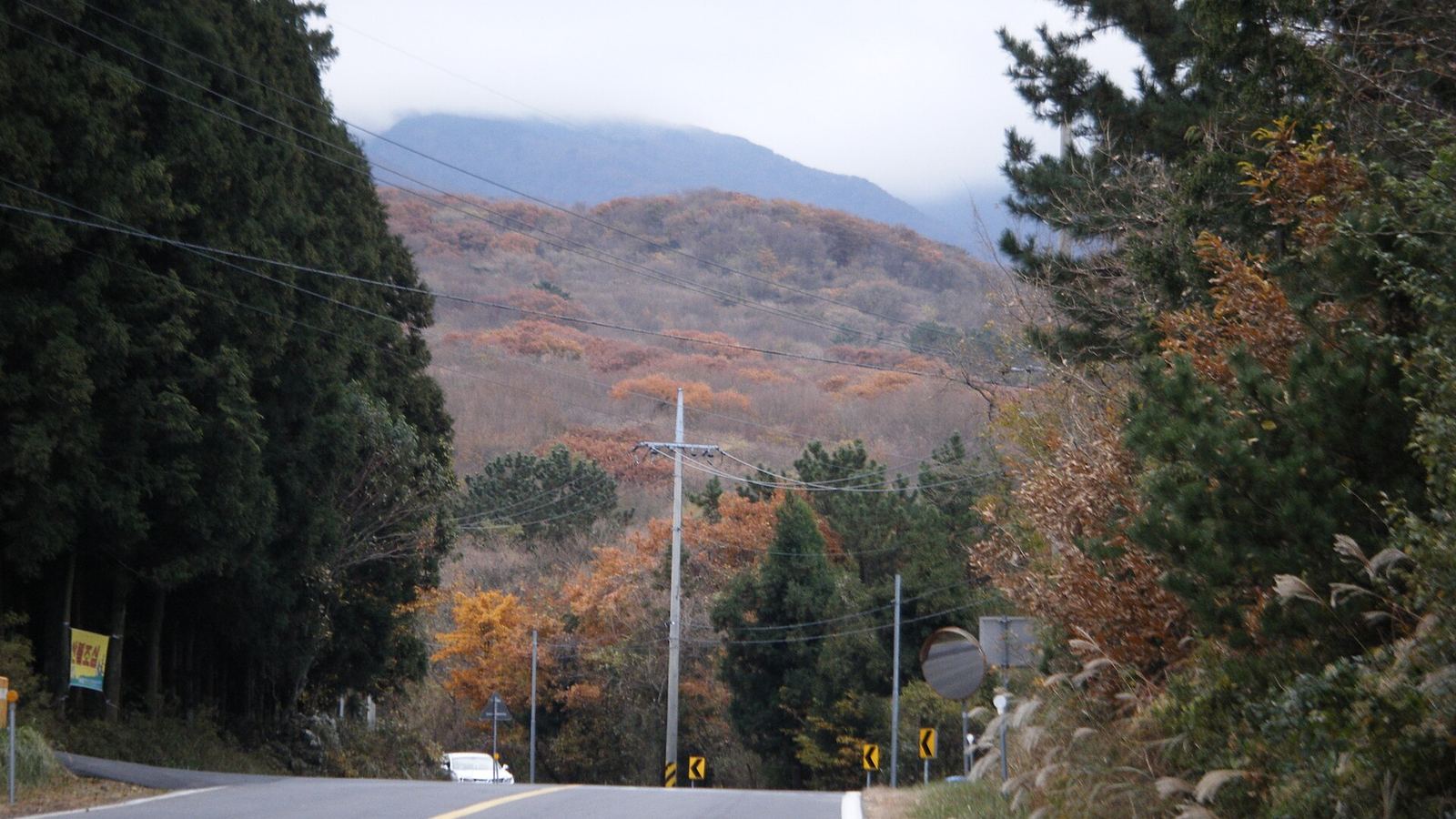
Do you need a local guide in South Korea?
🌐 Italiano · Français · Español
Is a guide mandatory in South Korea?
No, not needed for most trips
No. An International Driving Permit is accepted, the Italian foreign ministry describes the security situation as stable at present, while recommending particular caution close to the demarcation area, and nothing in either official source makes a guide necessary. The exception is the border with North Korea: the demarcation line is normally closed to tourists, except at the Panmunjeom border point, which can be visited on group excursions officially approved by the local authorities, and the belt south of the DMZ can only be entered with authorisation; inside it you must keep to the authorised routes and follow the local authorities' instructions, because of the many minefields. Even to reach the Goseong Unification Observatory, the Korea Tourism Organization says you register, watch a security video and drive in as a group, since individual travel is prohibited.
Why it matters in South Korea
At the DMZ you drive in a group
To visit the Goseong Unification Observatory, the northernmost viewing post in Korea, you register at the Unification and Security Park, on site or by QR code, and attend an eight-minute security education video. You then drive your own car there as part of a group, with departures every 20 minutes and individual travel prohibited, and at the Civilian Control Line every vehicle stops for inspection, registers and displays the approved pass in the front window. (Korea Tourism Organization (VISITKOREA) — Regional DMZ Attractions: Goseong)
Minefields behind the line
South of the DMZ lies the Northern District to the Civilian Control Line, a belt 5 to 20 km wide that you can only enter with authorisation. Inside it you must keep strictly to the authorised routes and to the local authorities' instructions, because of the many minefields. (Viaggiare Sicuri — Italian Ministry of Foreign Affairs)
Strict road checks
The blood alcohol limit is 0.03%, night checkpoints are widespread and drivers who are stopped are periodically breath-tested; riding a bicycle drunk is banned too. Seatbelts are compulsory for every occupant, buses included, and snow chains whenever the weather requires them. (Viaggiare Sicuri — Italian Ministry of Foreign Affairs)
Where language matters
Police officers often do not speak foreign languages, and the Italian foreign ministry advises not signing documents in Korean you cannot understand and asking for an interpreter if needed. Photographing people without their explicit consent can be reported as a crime. (Viaggiare Sicuri — Italian Ministry of Foreign Affairs)
What to ask a guide before you book
- Which DMZ sites can we visit on our route, and what registration does each one need?
- Where does the Civilian Control Line start on our route, and which roads beyond it are authorised?
- If the police stop us or we have an accident, will you interpret for us?
Sources
- Korea Tourism Organization (VISITKOREA) — Regional DMZ Attractions: Goseong — consulted 21 September 2026
- Viaggiare Sicuri — Italian Ministry of Foreign Affairs — consulted 9 November 2026, updated 7 October 2026
Local guides in South Korea
3 independent local guides work in South Korea on GuideMeet. You contact them directly: free, no commission. See the guides in South Korea
 WeRide Korea Cycle Tour and Rentals
서울특별시, 대한민국 서울특별시 Roger Shepherd
Gurye-gun, South Korea
Trips with local guides
- Ride the Four river Bike path across South Korea
- Scenic Motorcycle Pillion Day Tour near Seoul
- Motorcycle Rental & Self-Guided Routes in South Korea
Before you rely on this
This page summarises official sources in good faith, on the dates shown above. We cannot guarantee it is accurate, current or complete, and we take no responsibility for decisions made on the basis of it. Rules change without notice and are applied by officials on the ground, not by websites. Always read the original sources and your own government's travel advice for South Korea before you travel. Where a guide's profile shows “Licence verified”, we found that licence in the official public register; otherwise GuideMeet has no way of checking whether an individual guide holds a licence or meets any standard mentioned here — ask them directly.