GuideMeet country page
South Korea – overland guides and trips
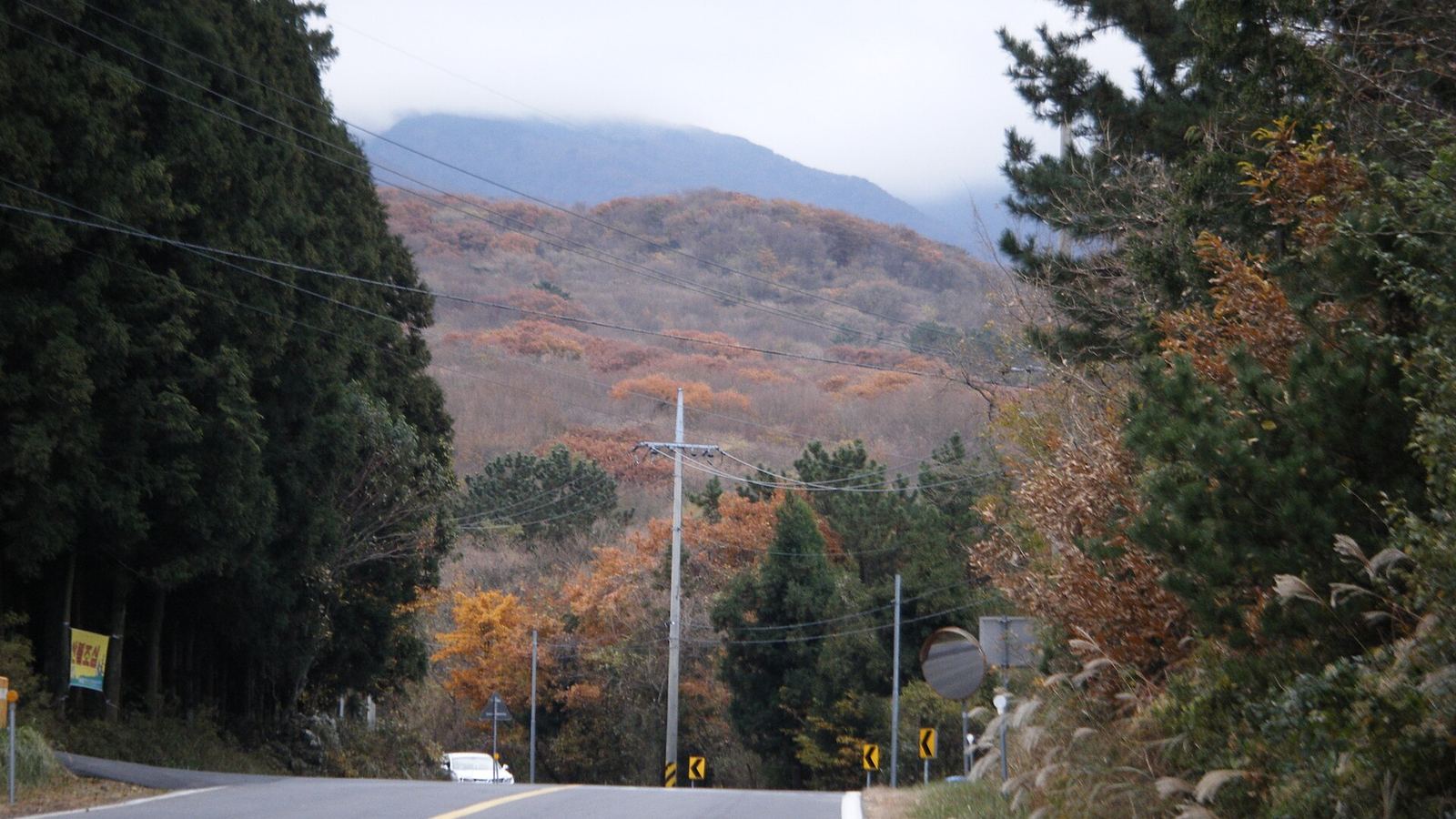
Overland South Korea takes in the Gangwon passes, Route 7 along the east coast, Jirisan and Jeju, reached by ferry: by motorcycle, bicycle or car.
Local overland guides and active trips in South Korea on GuideMeet.
As of November 2026: 3 local guides on GuideMeet operating in South Korea — 2 motorcycle, 1 bicycle.
Local overland guides in South Korea
 WeRide Korea Cycle Tour and Rentals
서울특별시, 대한민국 서울특별시 · bicycle / e-bikeWe are a Seoul-based cycling holiday and bike rental company specializing in unforgettable bicycle adventures across South Korea. Fully licensed, fully insured...
 Roger Shepherd
Gurye-gun, South Korea · adventure motorcycleSome of you may know that in 2013, a bunch of New Zealand motorcyclists rode their motorbikes through North Korea from Russia and then entered South Korea thro...
- Korea Motorcycle Rental & Guided Tours · 서울특별시, 대한민국 서울특별시
Active trips in South Korea
- Ride the Four river Bike path across South Korea · 9 days
- Scenic Motorcycle Pillion Day Tour near Seoul · 1 days
- Motorcycle Rental & Self-Guided Routes in South Korea · 3 days
Planning a trip in South Korea?
Browse local guides for South Korea and contact them directly. Or create your own trip and find travel companions.
Are you a local guide in South Korea?
Join GuideMeet and get discovered by overland travelers looking for local knowledge, 4x4 support and expedition expertise in South Korea.
South Korea for overland travelers
South Korea occupies the southern half of the Korean Peninsula. Its only land border is the one with North Korea, which is closed, and your own vehicle cannot arrive overland. Driving is on the right. For anyone traveling by motorcycle or bicycle, one rule shapes the itinerary: expressways and motor-vehicle-only roads are closed to two-wheelers.
Key destinations
The Gangwon passes
In Gangwon, in the northeast, the roads cross the Taebaek Mountains toward the coast. Hangyeryeong Pass, called Osaengnyeong on the Yangyang side, carries Route 44 from Inje to Yangyang. Further north, between Inje and Sokcho, a tunnel has run under Misiryeong since 2006, and the old road still climbs to the pass, with a view of the Ulsanbawi rock.
Seoraksan and the national parks
In the national parks, such as Seoraksan and Jirisan, the Natural Parks Act prohibits camping, parking and cooking outside designated places, and the places where these bans apply are marked with signs. The same law allows the park authority to prohibit or restrict vehicle traffic in certain areas for a set period.
The east coast and Route 7
Route 7 follows the east coast from Busan north to Goseong, near the Demilitarized Zone. Along the Gangwon coast, from the Goseong Unification Observatory to Samcheok, there is also a bike path, opened in 2015.
Jirisan
Jirisan, in the south, became Korea's first national park on 29 December 1967. The road that climbs from Gurye to Seongsamjae Pass, inside the park, ices over in winter, and in the cold months Gurye County has restricted traffic towards the pass: check closures before setting off.
Jeju
Jeju, the volcanic island south of the peninsula, has been a UNESCO World Heritage Site since 2007 for Hallasan, its lava tubes and the Seongsan Ilchulbong cone. Car ferries reach it from Mokpo and Wando. The Natural Parks Act applies here too: in Hallasan National Park you may not camp outside designated places, not even in the parking lots.
Borders
According to the Italian foreign ministry's Viaggiare Sicuri advice, the demarcation line between the two Koreas is normally not accessible to tourists, except at Panmunjeom, which can be visited on group excursions officially approved by the local authorities. Your own vehicle therefore cannot arrive overland. There are ferries between Japan and Busan: check with the shipping company before you leave whether they accept foreign-registered vehicles.
Permits and logistics
Korea's Road Traffic Act recognizes International Driving Permits on the 1949 Geneva and 1968 Vienna models for one year from entry into the country, and only for the vehicle categories shown on the permit: to ride a motorcycle, that category must be on it.
The same law bars pedestrians and any vehicle that is not a motor vehicle, bicycles included, from expressways and motor-vehicle-only roads, and among motorized two-wheelers only emergency vehicles may use them. Motorcycles and bicycles therefore travel on national and local roads, and an itinerary is checked section by section. Motorcyclists wear a helmet and make their passengers wear one, and the law also requires protective gear for cyclists on bike paths and roads.
For your own vehicle, the Viaggiare Sicuri advice says an ATA carnet must be paid for, gives a maximum import period set by customs, and suggests asking Korean customs for the exact procedure beforehand. Vehicle insurance is compulsory.
Best time to go
According to the Korea Meteorological Administration, Changma, the rainy season, begins in the south in late June, moves north and lasts 30 days on average, bringing more than half of the year's rainfall; typhoons reach the peninsula from June to October. The Viaggiare Sicuri advice adds that typhoons mainly hit the south and have been increasing in recent years. January is the coldest month, and in winter snowfall is often heavy: snow chains are compulsory when weather conditions require them.
Safety
The Viaggiare Sicuri advice notes that the armistice in force since 1953 alternates between phases of tension and détente, and that limited skirmishes between the two armies may recur close to the border, but it describes the security situation as stable at present. South of the Demilitarized Zone runs a strip 5 to 20 km wide, which the advice calls the "Northern District to the Civilian Control Line": you may only enter it with authorization, sticking strictly to the authorized routes and the local authorities' instructions, because of the many minefields. Police presence is widespread, but officers often do not speak foreign languages. After an accident, the advice recommends avoiding arguments, calling 119 for emergencies and, if possible, photographing the scene. Crime, local laws and customs are covered in the South Korea safety sheet on GuideMeet.
Why a local guide matters
Which sections are closed to two-wheelers, which park roads close in winter, which ferries take your vehicle: it changes from road to road and from season to season. On GuideMeet, local guides and operators have a profile showing their vehicles and the trips they offer, and you contact them directly: you see who you are traveling with before you set off.
Bottom line
South Korea is not a land of long tracks: it is a peninsula of mountain passes, coasts and islands, where the difficulties are the roads closed to two-wheelers, the vehicle paperwork, Changma and snow on the passes. From the Gangwon passes to Jeju, guides who know the roads, ferries and park rules make the journey realistic.
Travelling with a local guide
Not sure whether you need a guide, or how to pick one you have never met? Travelling with a local guide covers when a guide is genuinely needed, what to check before leaving (permits, vehicle, emergency contacts) and how to agree price and exceptions.
Frequently asked questions
How do I find overland guides in South Korea on GuideMeet?
Browse local guides for South Korea on GuideMeet, compare their experience, vehicles and languages, and message them directly to plan routes, permits and border crossings. As of November 2026, there are 3 local guides on GuideMeet operating in South Korea (2 motorcycle, 1 bicycle).
How much does it cost to contact a guide in South Korea?
Nothing — GuideMeet is free and takes no commission. You contact the guide directly on the platform and agree terms between yourselves, with no middleman.
Are you a local guide in South Korea?
Join GuideMeet and get discovered by overland travelers looking for local knowledge, 4x4 support and expedition expertise in South Korea.