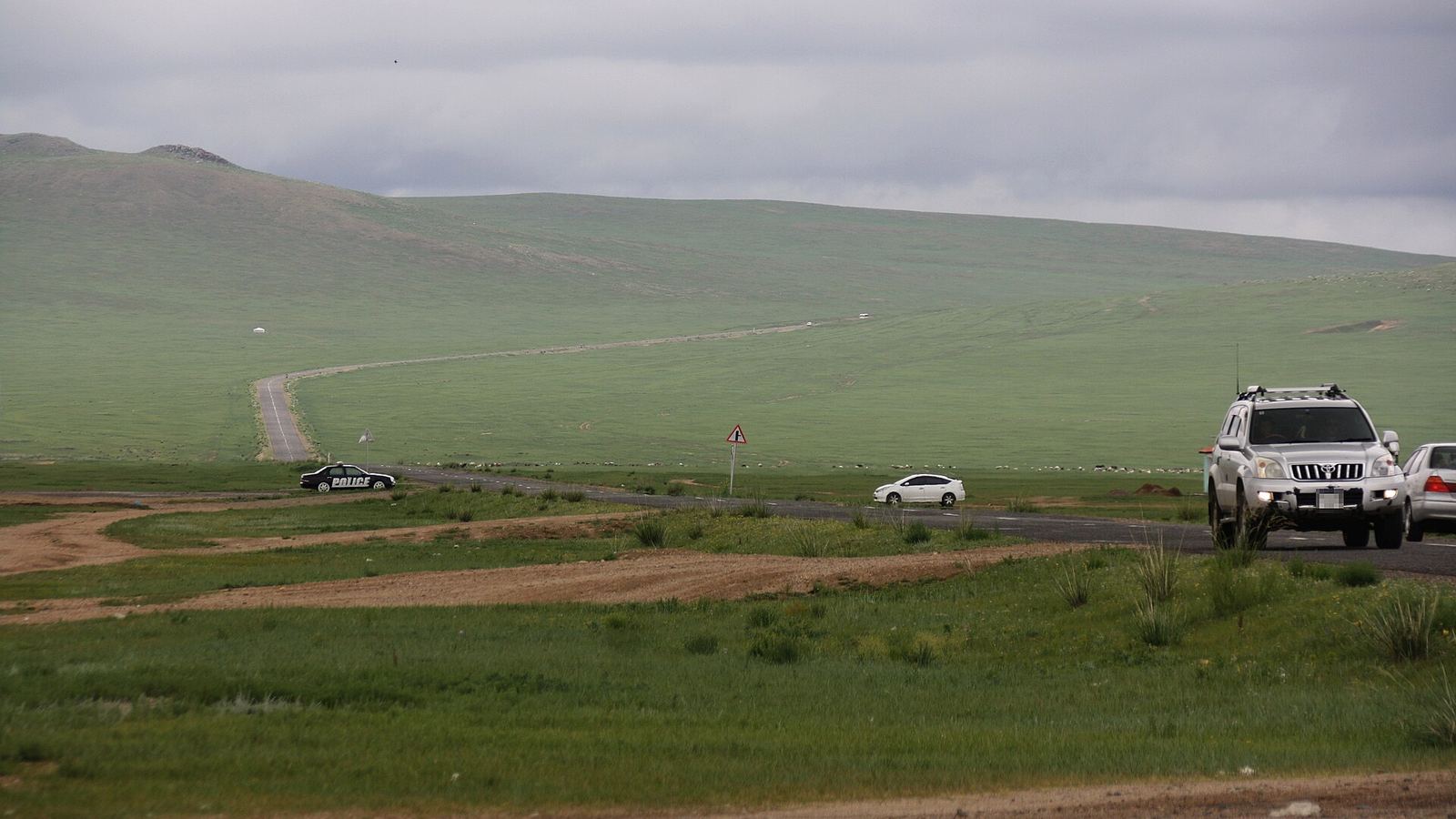
Is Mongolia safe to travel?
Updated October 2026
🌐 Italiano · Français · Español
Is a guide mandatory in Mongolia?
No, but strongly advised
What governments say
The travel advice level each government gives for Mongolia, in its own words (for the United Kingdom, a summary by GuideMeet). Levels are not comparable between countries. Checked by GuideMeet on 4 November 2026.
| Government | Advice | Updated | Official page |
|---|---|---|---|
| United Kingdom (FCDO) | No advice against travel | Read the advice | |
| United States (State Department) | Level 1: Exercise Normal Precautions | Read the advice | |
| Canada (Global Affairs Canada) | Exercise normal security precautions | Read the advice | |
| Australia (Smartraveller) | Exercise normal safety precautions | Read the advice | |
| France (France Diplomatie) | See the zone map | Read the advice |
Contains public sector information licensed under the Open Government Licence v3.0. Contains information licensed under the Open Government Licence – Canada. Source: Department of Foreign Affairs and Trade's Smartraveller website, licensed under CC BY 4.0. Source: France Diplomatie, Ministry for Europe and Foreign Affairs, Licence Ouverte 2.0, updated 14 October 2026.
At a glance, if you go with your own vehicle
- Roads: 12.4 deaths per 100,000 people a year, about 2.5 times Italy (5.0); WHO Western Pacific region 15.2, world 15.0 (WHO estimate for 2021). (World Health Organization — Global status report on road safety 2023)
- Vehicle, drones and permits Compulsory driver's insurance Drones Off-road driving and protected areas Starlink terminals Your own vehicle enters duty free Spare parts, tools and fuel what the official sources of the country say
- Overland regions
Going with your own vehicle?
7 local guides on GuideMeet work in Mongolia: they know the roads, the permits and the areas to avoid. You contact them directly, free and with no commission.
 Amarmijid Davaa
Ulaanbaatar, MongoliëBarhas Ganbold
Royal Enfield Mongolia, Mongolia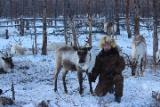 Daurenbek Sakhuan
Ölgii, Mongolia Samar Magic Tours Mongolia
Ulán Bator, Mongolia Byambatsogt Tsengel
Ulaanbaatar, MongoliaVacations Mongolia
Bayan-Ölgii, Mongolia
Trips with local guides
Safety
Our summary of the country advice published by the Italian Ministry of Foreign Affairs (Viaggiare Sicuri) on 5 January 2026.
Desert crossings
Crossing Mongolia's desert areas is especially risky in the winter months and at night: temperatures can drop suddenly to -40 or -45 °C and the icy wind is the biggest danger. Driving through them without the right equipment and precautions is strongly discouraged.
Isolated regions
Caution is also advised in the country's isolated, thinly populated regions, where rescue can struggle to reach you in an emergency. Provincial-town hospitals are not equipped for the more complex surgery and doctors usually advise moving serious cases to the capital where that is possible.
Earthquakes
Mongolia is seismically active, above all in the western regions, and the risk exists in the capital too. Small tremors have become more frequent in recent years.
Summer flooding
In summer, above all around Ulaanbaatar, short but intense rain can cause flooding, particularly in areas near watercourses.
Crime
Nothing particular is reported in the tourist areas outside the capital, and the nomadic herding population is very hospitable. Crime in Ulaanbaatar has been falling for years; petty crime, mostly pickpocketing of foreigners, happens in the city centre at crowded spots such as bus stops, pedestrian crossings and markets. Avoid getting drawn into arguments, especially with people who have been drinking.
Before you rely on this
This is our summary of advice written by the Italian Ministry of Foreign Affairs for Italian travellers, published on 5 January 2026. We summarise in good faith, but we cannot guarantee it is accurate, current or complete, and we take no responsibility for decisions made on the basis of it. Rules change without notice and are applied by officials at the border, not by websites. Always read the original source and the travel advice your own government publishes for Mongolia before you travel. Where a guide's profile shows “Licence verified”, we found that licence in the official public register; otherwise GuideMeet has no way of checking whether an individual guide meets any standard mentioned here — ask them directly.
Source: Viaggiare Sicuri — Italian Ministry of Foreign Affairs, updated 5 January 2026. Last checked by GuideMeet on 7 October 2026.