Is Turkiye safe to travel?
Updated November 2026
🌐 Italiano · Français · Español
Is a guide mandatory in Turkiye?
Yes, but only in some areas or activities
Mount Ararat and Ararat National Park (licensed area guide)
At a glance, if you go with your own vehicle
- Roads: 6.5 deaths per 100,000 people a year, similar to Italy (5.0); WHO Europe region 6.7, world 15.0 (WHO estimate for 2021). (World Health Organization — Global status report on road safety 2023)
- Vehicle, drones and permits Temporary import of your vehicle Insurance Drones Wild camping what the official sources of the country say
Advice from a local guide
1071 Vudaa Travel
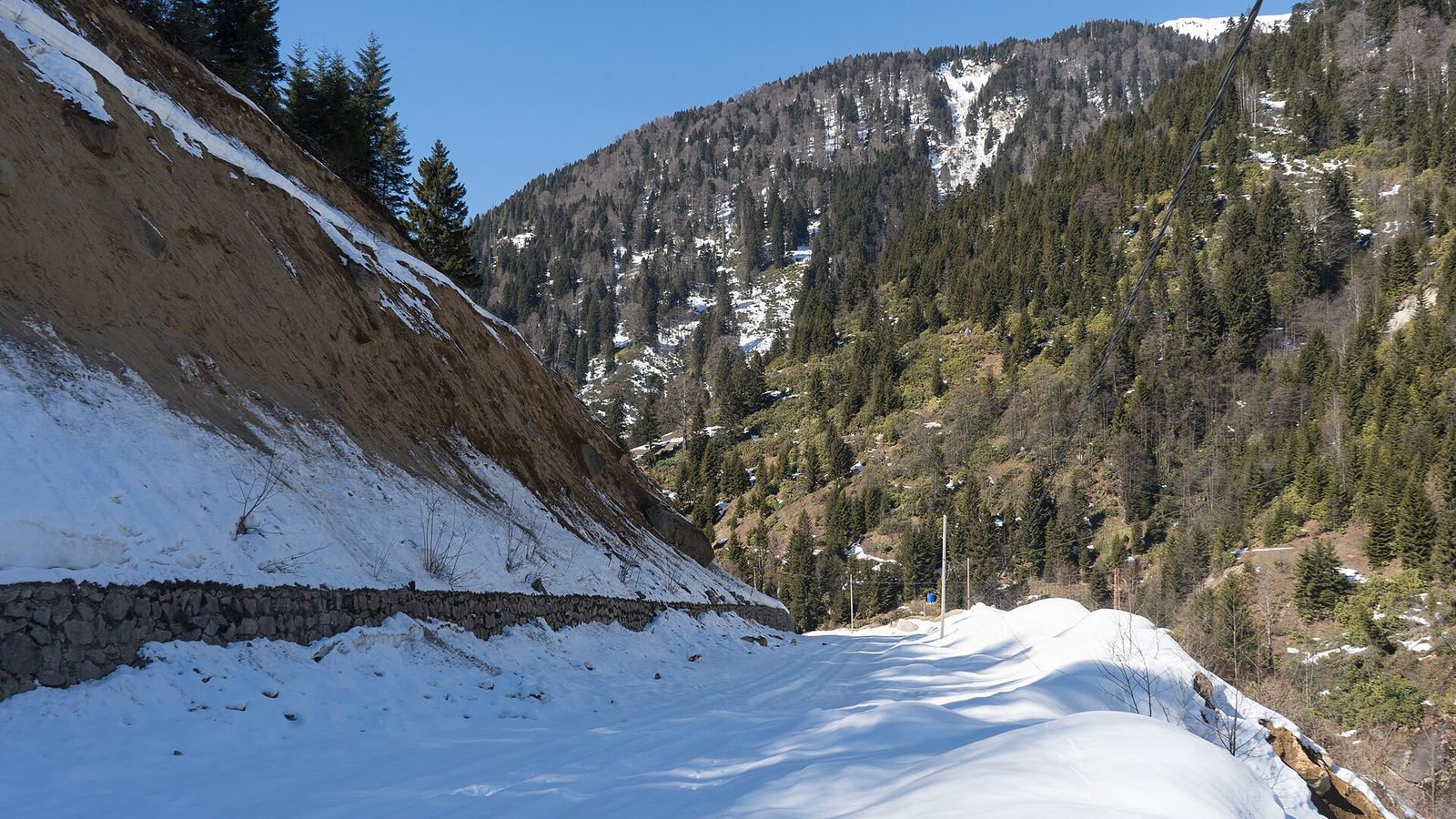
5 November 2026The Taurus Mountains around Antalya offer spectacular scenery, but many mountain roads are narrow, winding and sometimes unpaved: drive carefully and check road conditions before setting off. Spring and autumn are generally the best seasons for exploring the region, while in winter some higher mountain routes may be affected by snow and ice. In summer, always carry enough water, fuel and supplies, as services can be limited in remote areas.
Going with your own vehicle?
7 local guides on GuideMeet work in Turkiye: they know the roads, the permits and the areas to avoid. You contact them directly, free and with no commission.
 Wow Cappadocia
Kapadokya, Türkiye- 1071 Vudaa Travel
Antalya, Türkiye  Ahmet Selim
Fethiye, Türkiye Tumer Gundem
Istanbul, Türkiye Nihat Üstün
Safety
Our summary of the country advice published by the Italian Ministry of Foreign Affairs (Viaggiare Sicuri) on 21 October 2026.
Syria, Iraq, Iran borders
Avoid going to the areas bordering Syria, Iraq and Iran. The land border with Syria is still closed to third-country nationals and is militarily garrisoned, the area is checked frequently, and any behaviour read as suspicious, an attempted crossing, filming or recording military zones or installations, or simply being near the border without the right authorisations or valid documents, is both a serious personal risk and grounds for detention and expulsion.
South-eastern provinces
Non-essential travel is advised against in Hatay, Gaziantep, Kilis, Şanlıurfa, Mardin, Şırnak and Hakkari, where numerous terrorist attacks have happened in the past. The same applies to the south-eastern provinces of Adıyaman, Diyarbakır, Elazığ, Tunceli, Bingöl, Batman, Siirt, Bitlis and Muş, and particularly to the Iranian border at Ağrı, Van and Hakkari, above all in the remoter or mountainous areas, given past clashes between the PKK and the Turkish forces and the ongoing regional conflict.
Checkpoints and curfews
Prefer the main roads and avoid uninhabited areas. Stop immediately at any checkpoint. Keep track of curfews the Turkish authorities may impose and, where one is in force, do not travel after sunset.
Terrorism and police powers
The authorities keep the alert level high, with reinforced security measures and frequent checks, including against the potential risk of attacks on public transport infrastructure, places of worship, religious associations, nightclubs, shopping centres, restaurants and hotels. Avoid demonstrations and gatherings near military and police installations, diplomatic and consular premises and places of worship. Police custody can last up to 7 days, and administrative detention in removal centres up to 6 months, renewable to 12.
Earthquakes, floods, fires
The entire country is at high seismic risk. Floods are frequent in the north-east, and in summer a high number of wildfires can break out along the Mediterranean and Aegean coasts, as happened in 2021 around Bodrum, Antalya and Marmaris.
Ararat and Van
Any excursion activity in the Ararat area depends on authorisations that have to be requested from the Turkish diplomatic or consular missions before you go. In the mountains around Van, climbers and skiers should take particular care because of repeated landslides and avalanches as the ice melts.
Before you rely on this
This is our summary of advice written by the Italian Ministry of Foreign Affairs for Italian travellers, published on 21 October 2026. We summarise in good faith, but we cannot guarantee it is accurate, current or complete, and we take no responsibility for decisions made on the basis of it. Rules change without notice and are applied by officials at the border, not by websites. Always read the original source and the travel advice your own government publishes for Turkiye before you travel. Where a guide's profile shows “Licence verified”, we found that licence in the official public register; otherwise GuideMeet has no way of checking whether an individual guide meets any standard mentioned here — ask them directly.
Source: Viaggiare Sicuri — Italian Ministry of Foreign Affairs, updated 21 October 2026. Last checked by GuideMeet on 5 November 2026.