GuideMeet country page
Spain – overland guides and trips
Spain works as both destination and launchpad for Iberian and Morocco-bound routes. Discover guides and fellow travelers for coast, interior, and border-crossing itineraries.
Local overland guides and active trips in Spain on GuideMeet.
As of October 2026: 11 local guides on GuideMeet operating in Spain — 4 4x4, 6 motorcycle, 2 camper / van, 1 bicycle.
Local overland guides in Spain
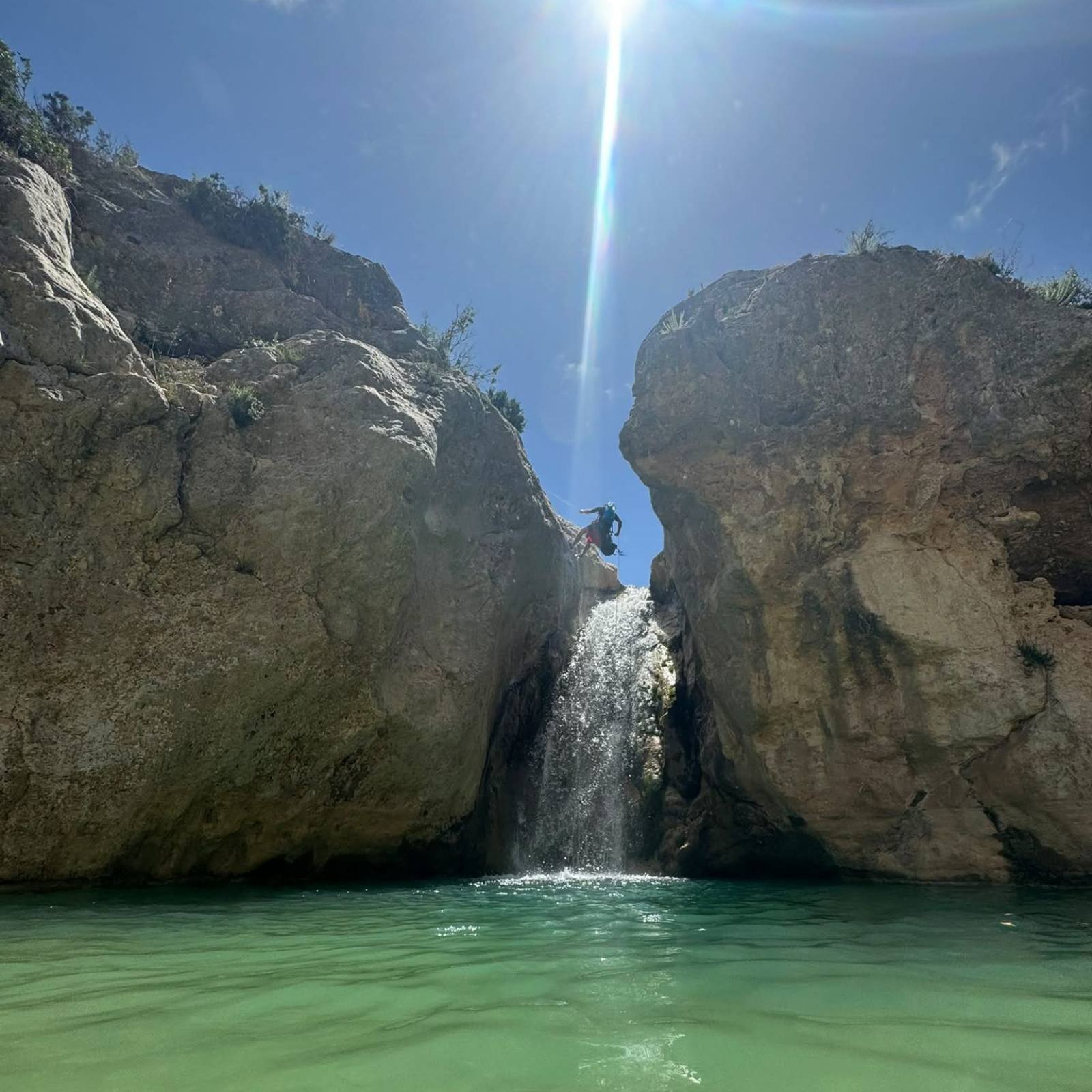 Stefan Garssen — València, Spain
Hi! I'm Stefan. I organize hikes and unique nature experiences around the region of Valencia. My goals is to give travelers an outdoor experience they won't fo...
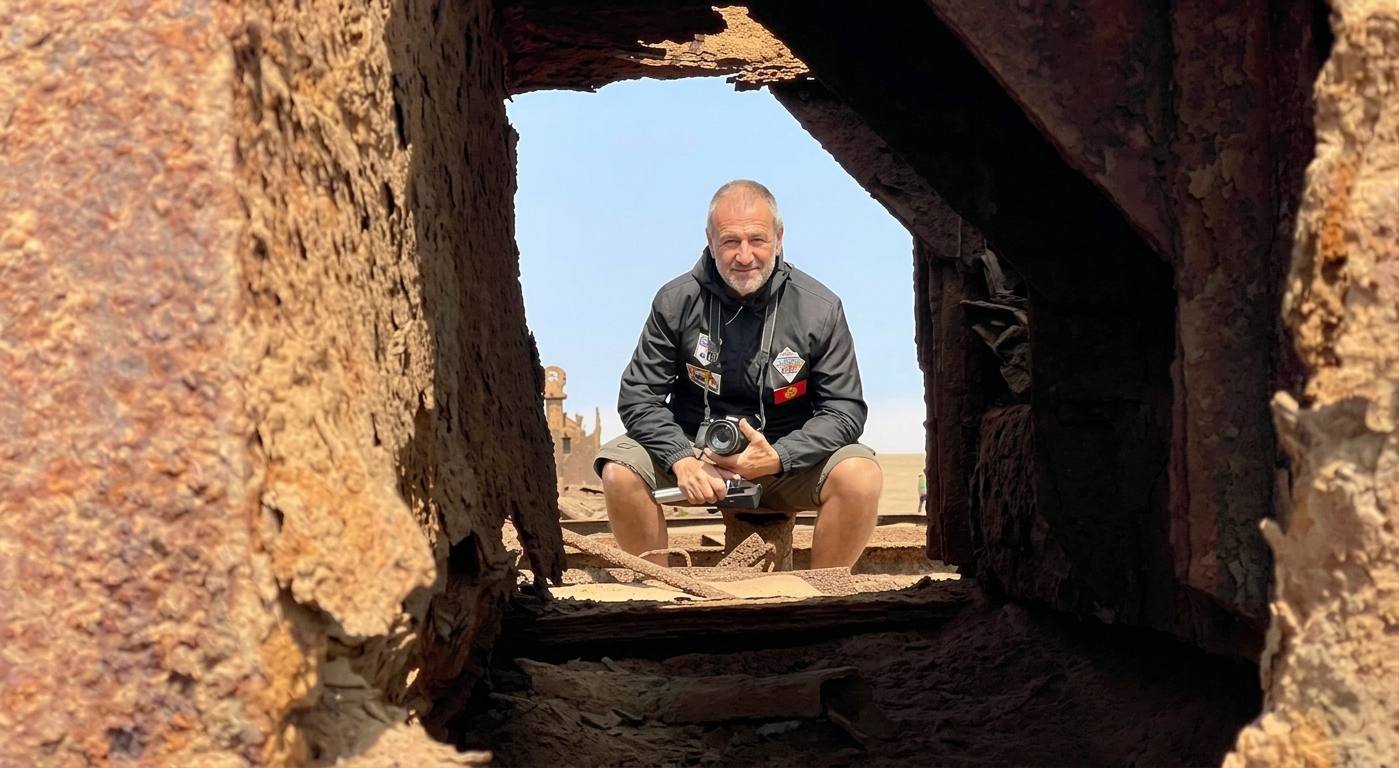 MAURIZIO TURCO — Roma, Italia · 4x4 car, 4x4 truck, 4x4 van, offroad motorcycle, adventure motorcycle, bicycle / e-bike
Senza mai cedere alle mode del momento, far strada dove la mappa diventa solo un’ipotesi è una vocazione che si affina unicamente con il tempo. È da questa con...
 Aries Moto Tours — Málaga, Spagna · offroad motorcycle, adventure motorcycle
Our team is made up of professional motorcycle guides and instructors who have turned their passion into a way of life. Off-road riding, adventure and discover...
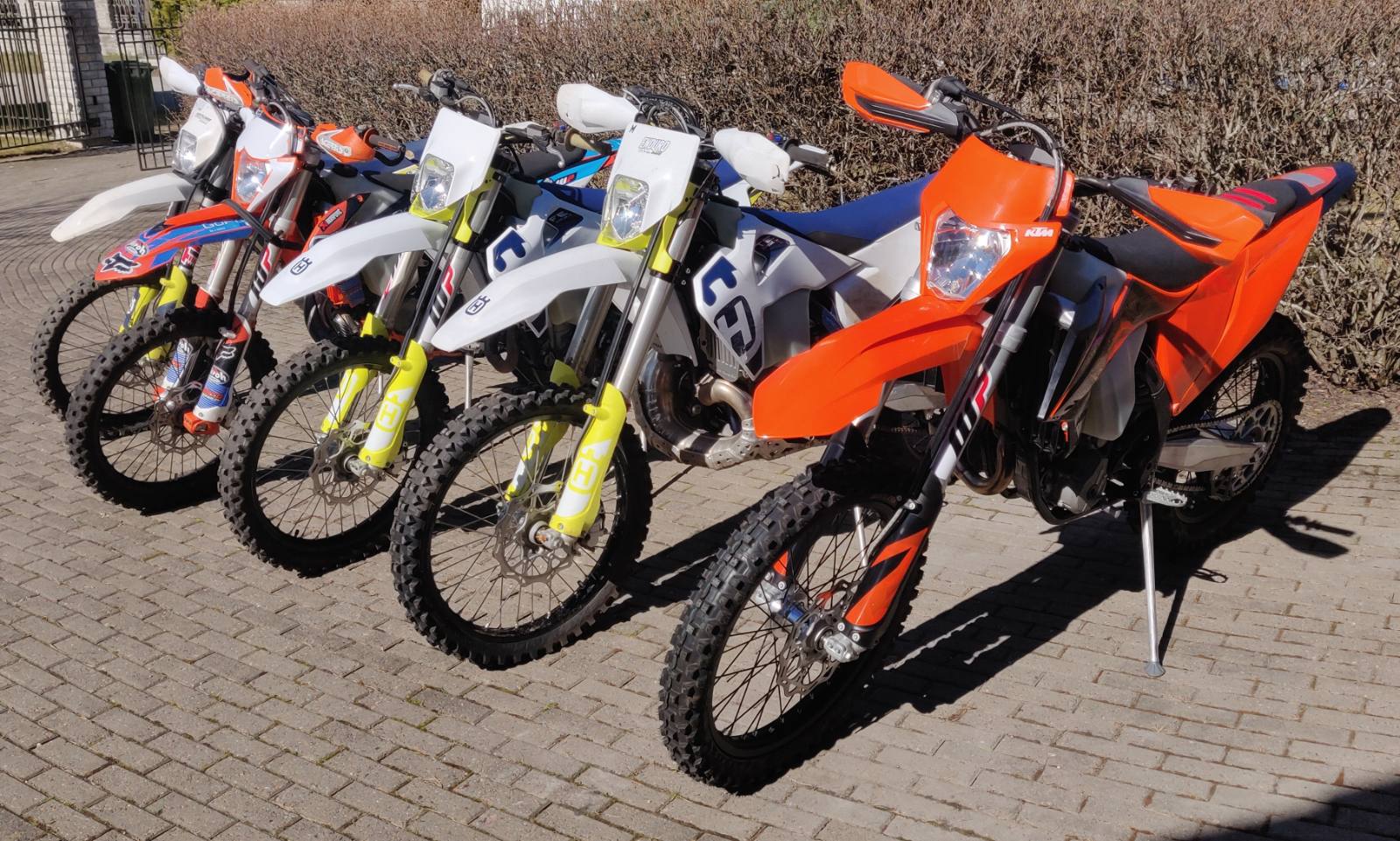 Konstantin Karkatsov — Tallinn, Estonia · offroad motorcycle
I organize guided enduro motorcycle tours for riders who want real off-road adventure, adrenaline, and unforgettable experiences in nature. From technical fore...
 Hannah Henry — Tamraght, Morocco
Im hannah the founder of Harmonious Wellbeing, spreading all postive vibes with yoga and breathwork, leaving people feeling amazing!
 Nathalie EXPERIENCE — Alicante, España · 4x4 car
Enchantée, je suis Nathalie :))...française vivant dans le sud de l'Espagne. Ma passion pour l'Afrique m'a conduit à vivre 8 ans dans la forêt équatoriale du G...
 ACTIVE 4X4 ADVENTURES — United Kingdom · 4x4 car, 4x4 truck, 4x4 van
ACTIVE 4X4 ADVENTURES provide unique Fully Catered 4X4 Adventure Tours, 4X4 Overland Expeditions and 4X4 Wildlife Safaris, with all meals included.
- Cesar K — Auch, France · adventure motorcycle
We are local motorcycle guides based in Southwest France, specialising in motorcycle tours across the Pyrenees. After years of riding every mountain pass, vall...
Active trips in Spain
- March 27 - Morocco Desert Raid -19 Days · 19 days
- Nov 2027 - Morocco Roads & Desert - Portsmouth to Sahara Desert and back - Early Booking Discount Available. · 18 days
- Taberna desert
- Andalusia East – 5-Day Off-Road Motorcycle Adventure · 5 days
- Pyrenees 4X4 Adventure Tour · 10 days
- Sept 2027 - Portugal & Spain - Portsmouth to Spain & Portugal and back. 2,000 miles. Endless smiles. · 18 days
Planning a trip in Spain?
Browse local guides for Spain and connect with experts who know the terrain, routes and border crossings. Or create your own trip and find travel companions.
Are you a local guide in Spain?
Join GuideMeet and get discovered by overland travelers looking for local knowledge, 4x4 support and expedition expertise in Spain.
Spain for overland travelers
Spain occupies a unique position in the European overland imagination. It is simultaneously a serious destination in its own right and the most important launchpad on the continent for those heading south toward Morocco and the African continent. Few countries offer this duality so completely: you can spend weeks exploring the Iberian Peninsula's extraordinary terrain diversity, then roll onto a ferry and be deep in a different world within hours. For overlanders, this makes Spain not a transit zone but a full chapter in any serious overland journey.
The most consequential axis is the southern corridor toward Morocco. The crossings at Algeciras and Tarifa connect to the Spanish enclave of Ceuta, while the longer ferry route from Algeciras to Tangier Med — the port built specifically to handle heavy vehicle traffic — has become the standard for overlanders traveling with 4x4s, campers, vans, and adventure motorcycles. These routes deserve preparation. Algeciras and La Línea de la Concepción are functional port towns, not tourist destinations, and vehicle readiness checks, insurance paperwork, and timing with the ferry schedules all matter. Many experienced overlanders recommend arriving in the afternoon for a morning departure, allowing a full first day in Morocco without the exhaustion of a rushed crossing. Ceuta offers an alternative that is slower and more bureaucratic at the Moroccan border crossing, but preferred by some for its different atmosphere and the checkpoint at Fnideq, which tends to have different traffic dynamics than the Tangier Med terminal.
Before reaching the south, Spain itself offers a layered overland canvas. The Pyrenees form the northern boundary and deserve far more attention than most through-travelers give them. The high passes — Somport, Portalet, Puymorens, Col du Pourtalet — are accessible by most vehicles in summer and offer spectacular alpine driving. But the real reward lies on the lesser tracks of the Aragonese and Catalan backcountry: unpaved forest roads, high ridgelines, and remote valleys where the density of paved tourism evaporates completely. For motorcyclists and compact 4x4s, the Pyrenees represent some of the best riding in Western Europe.
The Meseta Central — the vast high plateau that occupies much of central Spain — is often misread as featureless. In reality it is a terrain of long, open distances, changing light, and a particular kind of solitude that experienced overlanders recognize immediately. Routes through Extremadura, into the Sierra de Gredos, or across the plateaus of Castile and León reward those willing to leave the autopistas and move at ground level. Road surfaces are generally good but distances between services are real, and fuel planning matters. The cultural depth of these regions — Roman roads, medieval pilgrimage routes, castle systems — gives overland travel here a historical dimension that the desert lacks but some travelers actively seek.
Andalusia operates at a different register. It is both the most touristically developed part of Spain and, paradoxically, the one with the richest off-road and adventure riding culture. The Sierra Nevada, rising to over 3,400 meters just thirty minutes from the coast, offers 4x4 tracks and enduro routes at altitude that few European destinations can match. The road to Veleta, the second highest road in Europe open to vehicles, is a classic. Around it spreads a network of forest tracks, military roads, and unmaintained pistes that reward exploration. The Alpujarras — the villages on the southern slopes of the Sierra Nevada — feel genuinely remote despite their proximity to the coast, connected by narrow mountain roads and barely visible tracks.
Farther west, Extremadura and the Sierra Morena represent underexplored overland country. This is Spain at its least performative: sparse population, old agricultural tracks, cork oak forests, and enormous skies. The region shares a border with Portugal's Alentejo, and combined cross-border loops through the western Iberian backcountry have become a growing interest among the European overland community.
The Iberian off-road and enduro scene is mature and deeply established. Spain has one of the most active 4x4 communities in Europe, with regional clubs, seasonal events, and a well-developed culture of trail guides and local knowledge sharing. The enduro scene — particularly in Andalusia and the Levante — is internationally recognized, with dedicated track systems, fixer networks, and infrastructure that supports extended riding trips. For motorcyclists, Spain offers a range of difficulty from accessible gravel roads to genuinely technical trial sections, and the route culture extends across the border into Portugal seamlessly.
The Canary Islands deserve a specific mention for any overlander preparing for desert travel. Lanzarote and Fuerteventura, in particular, offer volcanic desert terrain — hard-packed lava plains, sandy tracks, and wind-sculpted landscapes — that serves as realistic training ground for those preparing for Morocco, Mauritania, or the broader Sahara. The terrain is not technically demanding but the environment — wind, heat, limited water sources, absence of shade — builds the kind of environmental awareness that makes desert travel safer. Both islands have 4x4 rental infrastructure and well-documented track networks that can be self-guided or covered with local knowledge.
From a logistics perspective, Spain is one of the easiest countries in Europe to use as an overland base. Fuel infrastructure is dense, spare parts availability is excellent for most platforms, and the camping and motorhome culture is strong enough that overnight parking options exist outside formal sites. The coastal route from Barcelona to Málaga, while heavily trafficked, passes through port cities with good mechanical workshops capable of handling serious pre-expedition service work. For Morocco preparation specifically, the Algeciras area has developed informal networks of mechanics and fixers familiar with the needs of overlanders doing final checks before the crossing.
The Spain-Morocco corridor is arguably the most traveled overland gateway from Europe to Africa, and has been for decades. This has created a rich ecosystem of knowledge: shared GPS tracks, online communities, local fixers on both sides, and a culture of informal information exchange that makes the crossing accessible to those doing it for the first time. But it has also created false confidence. The Strait of Gibraltar crossing is logistically simple; what follows in Morocco can be demanding. Good preparation in Spain — mechanical, documentary, and mental — makes the difference.
GuideMeet connects overlanders with local guides and travel companions throughout the Iberian Peninsula and along the Morocco corridor. Whether you need someone who knows the Sierra Nevada tracks in depth, a riding companion for a Pyrenean crossing, a fixer for the Algeciras-Ceuta border logistics, or a guide to accompany your first days south of Tangier, the platform is designed to connect independent travelers with local expertise at exactly the point where it matters. Spain is where preparations complete and journeys begin — having the right connection at that moment changes what happens next.
Travelling with a local guide
Not sure whether you need a guide, or how to pick one you have never met? Travelling with a local guide covers when a guide is genuinely needed, what to check before leaving (permits, vehicle, emergency contacts) and how to agree price and exceptions.
Frequently asked questions
How do I find overland guides in Spain on GuideMeet?
Browse local guides for Spain on GuideMeet, compare their experience, vehicles and languages, and message them directly to plan routes, permits and border crossings. As of October 2026, there are 11 local guides on GuideMeet operating in Spain (4 4x4, 6 motorcycle, 2 camper / van, 1 bicycle).
How much does it cost to contact a guide in Spain?
Nothing — GuideMeet is free and takes no commission. You contact the guide directly on the platform and agree terms between yourselves, with no middleman.
Are you a local guide in Spain?
Join GuideMeet and get discovered by overland travelers looking for local knowledge, 4x4 support and expedition expertise in Spain.