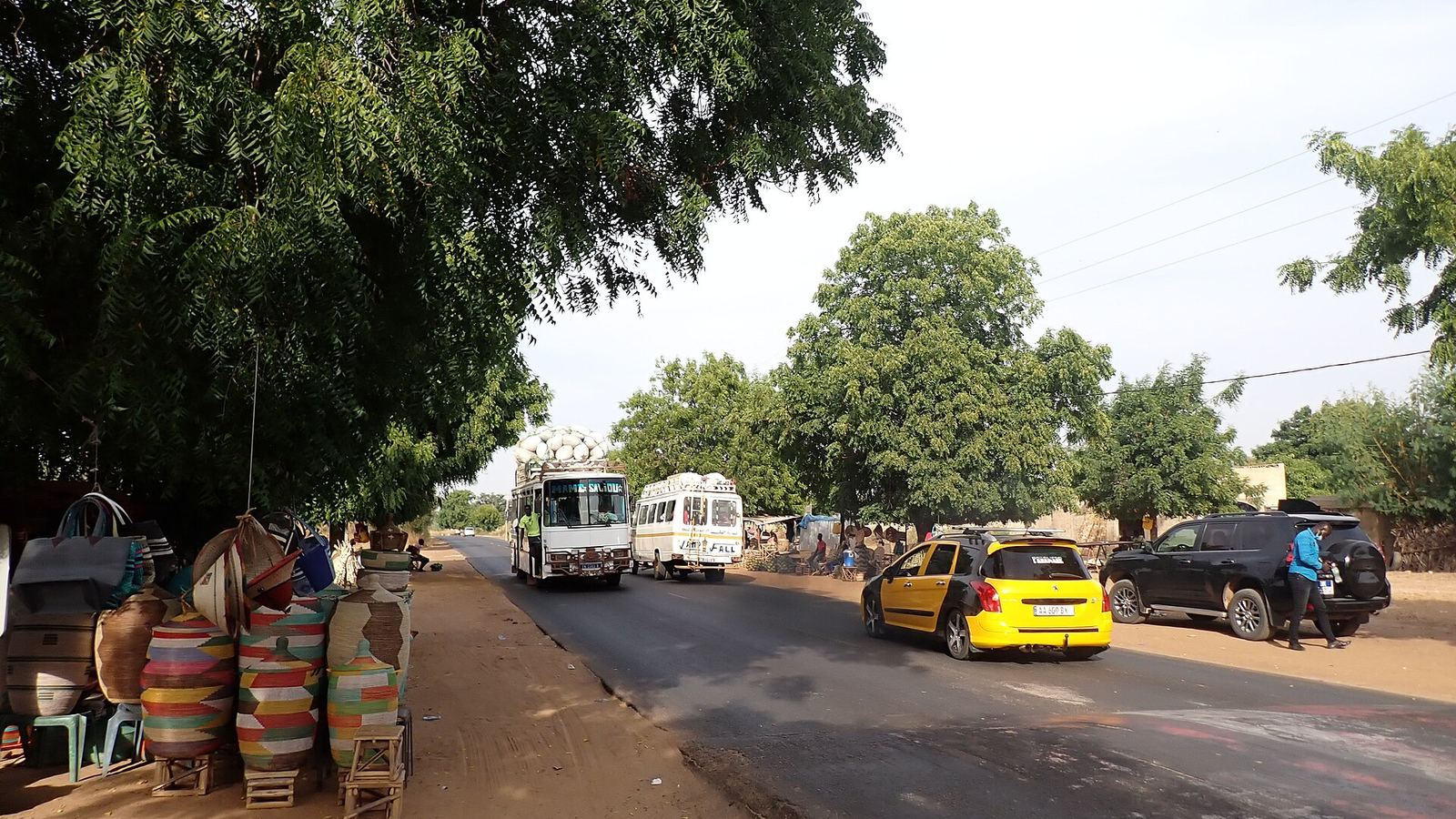
Is Senegal safe to travel?
Updated October 2026
🌐 Italiano · Français · Español
Is a guide mandatory in Senegal?
No, but strongly advised
At a glance, if you go with your own vehicle
- Roads: 20.8 deaths per 100,000 people a year, about 4.2 times Italy (5.0); WHO Africa region 19.4, world 15.0 (WHO estimate for 2021). (World Health Organization — Global status report on road safety 2023)
- Vehicle, drones and permits Temporary import of your vehicle Vehicle insurance Drones Wild camping Off-road driving and protected areas Starlink terminals what the official sources of the country say
Going with your own vehicle?
7 local guides on GuideMeet work in Senegal: they know the roads, the permits and the areas to avoid. You contact them directly, free and with no commission.
Kédougou Tourisme
Kédougou, SénégalAliou Fall
Casamance, Sénégal Bamba Ndiaye
Dakar, Sénégal Aries Moto Tours
Málaga, Spagna
Trips with local guides
Safety
Our summary of the country advice published by the Italian Ministry of Foreign Affairs (Viaggiare Sicuri) on 23 September 2026.
Mines in Casamance
In the southern Casamance region, between Gambia and Guinea-Bissau, the area south of Ziguinchor still holds mines left by the civil conflict there, the last fatal incident dating to October 2021, and the border zones in particular are singled out. If you travel in the region, keep your level of alertness high. Secondary roads and unpaved tracks are discouraged, above all closest to the Gambian and Guinea-Bissau border, because of mines and banditry. It is therefore advisable to favour the main axes, Ziguinchor–Sénoba via Bignona and Ziguinchor–Cap Skirring, avoiding the night hours and travelling alone.
Mali and Guinea borders
Given the critical security situation across the Sahel, the border areas with Mali and Guinea are discouraged. Overland travel from Senegal into Mali and from Senegal into Guinea is specifically advised against.
Terrorism
With terrorist groups active across the Sahel belt and West Africa, the risk of attacks and hostile acts against Western citizens and interests cannot be ruled out.
Crime
Common crime, armed robbery included, is widespread not only in the outer districts of Dakar such as Yoff, Colobane, Grand Dakar and Guediawaye and in tourist areas like Saly and Lac Rose, but also in the Plateau city centre and neighbouring districts, particularly around local festivities. Hotels used mostly by tourists have been attacked, though these assaults did not involve the guests. Pickpocketing, phone theft and robbery-motivated assaults are increasing in the big cities and the busiest tourist areas, so avoid isolated places, especially very early and at night, and stay wary in nightspots, on beaches and in resorts where you could easily be approached by people with illicit or fraudulent aims. The ministry also advises using tour operators of proven experience rather than improvised guides.
Documents and photography
Always carry an identity document for police checks, especially at night, and keep a copy somewhere safe: failing to produce one can mean being held or arrested, usually for 48 hours. Avoid photographing public buildings or military installations.
Rainy season
From August to October flooding causes disruption to travel across the whole country, the capital included. There is no adequate water and sewer network to cope with it.
Before you rely on this
This is our summary of advice written by the Italian Ministry of Foreign Affairs for Italian travellers, published on 23 September 2026. We summarise in good faith, but we cannot guarantee it is accurate, current or complete, and we take no responsibility for decisions made on the basis of it. Rules change without notice and are applied by officials at the border, not by websites. Always read the original source and the travel advice your own government publishes for Senegal before you travel. Where a guide's profile shows “Licence verified”, we found that licence in the official public register; otherwise GuideMeet has no way of checking whether an individual guide meets any standard mentioned here — ask them directly.
Source: Viaggiare Sicuri — Italian Ministry of Foreign Affairs, updated 23 September 2026. Last checked by GuideMeet on 7 October 2026.