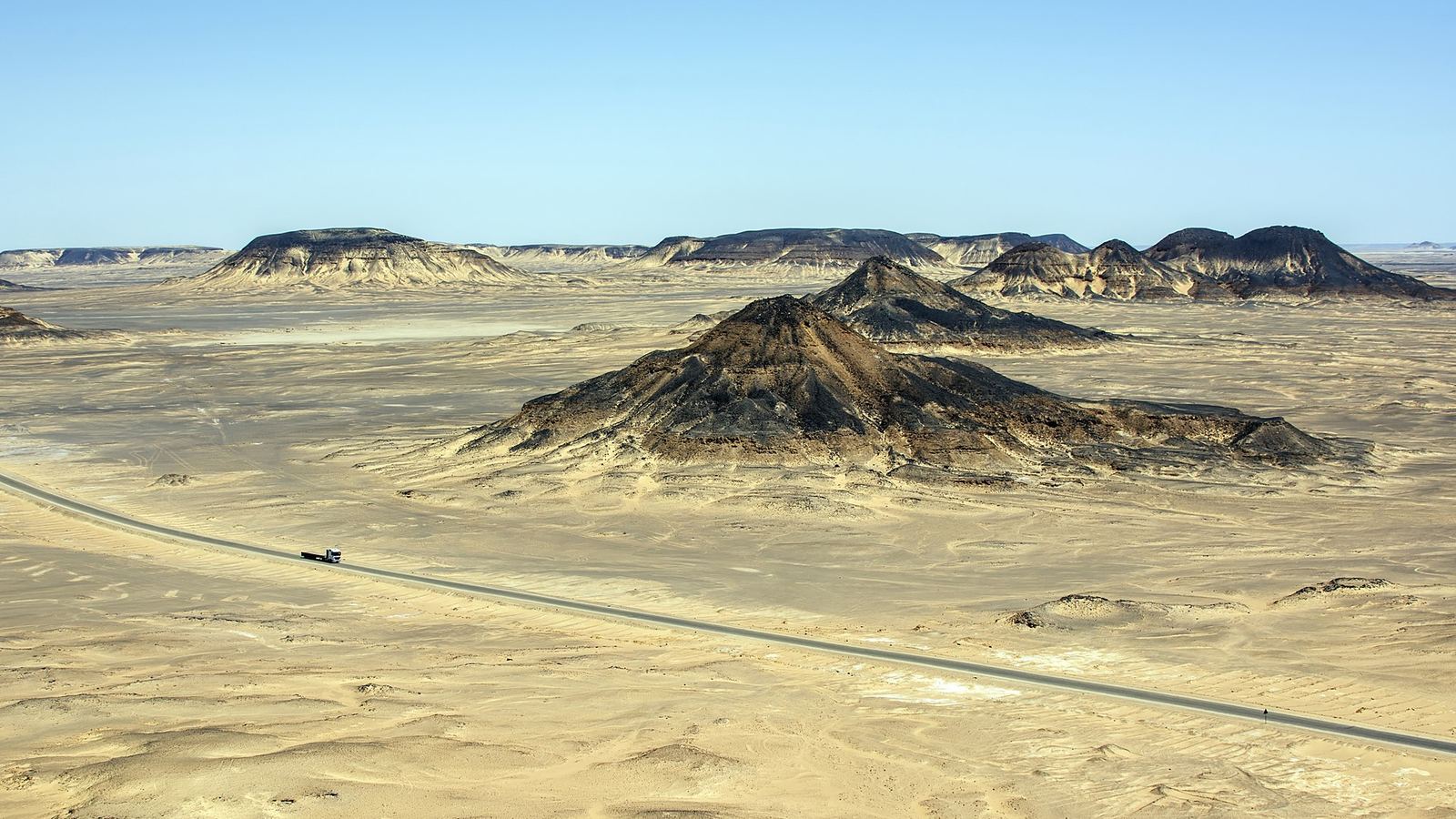
Do you need a local guide in Egypt?
🌐 Italiano · Français · Español
Is a guide mandatory in Egypt?
No, but strongly advised
Neither Egypt's tourism authority nor the Italian foreign ministry makes a guide compulsory in the main tourist areas, but the desert is a different matter. Egypt's own tourism authority tells visitors heading into the deserts or to secluded sites to check first with their hotel, a licensed guide, an authorised travel agency or a tour operator that the destination is open, and to ask them to help make the arrangements. The Italian foreign ministry recommends that travellers rely on professional tour operators and agencies and not leave the recommended tourist routes, and strongly advises against trips into non-touristic desert areas. It also recommends avoiding non-essential travel anywhere other than Cairo, Alexandria, the Red Sea coast and the tourist areas of Upper Egypt and the Mediterranean.
Why it matters in Egypt
Ask before you head into the desert
The Egyptian Tourism Authority advises anyone planning to explore the deserts or reach one of the more secluded sites to check with their hotel, a licensed guide, an authorised travel agency or a tour operator that the destination is open to visitors, and to ask them to help make the necessary arrangements. (Egyptian Tourism Authority — Experience Egypt: Useful Information)
Drones need a government permit
Egypt's tourism authority asks visitors to declare drones and professional camera equipment at the airport, because using them requires special permits issued by the government. The Italian foreign ministry recommends absolutely avoiding bringing a drone into the country, even for professional purposes, without authorisation from the Egyptian authorities, and says their entry and use for aerial photography are allowed only with prior authorisation from the Egyptian Ministry of Defence; breaking this can mean arrest, even for several days, and seizure of the equipment. The two sources differ: the tourism authority speaks of declaring at the airport, the ministry of authorisation obtained beforehand. (Egyptian Tourism Authority — Experience Egypt: Useful Information)
Where and when not to travel
The Italian foreign ministry recommends avoiding non-essential travel anywhere other than Cairo, Alexandria, the Red Sea coast and the tourist areas of Upper Egypt and the Mediterranean. Even in those places it says to keep a high level of attention, because they cannot be considered immune from possible threats. It advises against travel in the Sinai, except the Sharm el Sheikh resorts and excursions to St Catherine's Monastery carried out in strict compliance with the instructions of the local security authorities. It says the area near the borders with Libya and Sudan is to be avoided, strongly advises against crossing into Libya, and recommends absolutely avoiding travel by car or coach at night. It advises against, in any case, excursions organised by unauthorised operators. (Viaggiare Sicuri — Italian Ministry of Foreign Affairs)
No GPS, no quick rescue
The Italian foreign ministry strongly advises against excursions into non-touristic desert areas: over wide stretches there is no GPS coverage, so rescue operations cannot be carried out quickly. The south-west, between Gebel Al Uweynat and Gilf El Kebir on the Libyan and Sudanese borders, is advised against because rebel and criminal groups have long been active there. (Viaggiare Sicuri — Italian Ministry of Foreign Affairs)
Rules in protected areas
The regulations published by Egypt's Environmental Affairs Agency (EEAA) for protected areas prohibit driving off marked tracks, driving any motor vehicle on any beach and accessing any closed area; offenders are subject to prosecution under Law 102 of 1983. Camping is prohibited except in areas designated by notice, and all visitors must leave protected areas by sunset unless using a designated camping area.
Mines, military zones and restricted borders
Unexploded Second World War mines remain a danger inland from the Red Sea coast and between Alexandria and Marsa Matruh, so the ministry advises not leaving the main roads and usual tourist routes. North Sinai is under military control and requires specific authorisation, and at the Sudanese border the authorities do not let travellers cross in their own vehicles. The Rafah crossing can currently be used only by Palestinians authorised to return to the Gaza Strip. (Viaggiare Sicuri — Italian Ministry of Foreign Affairs)
What to ask a guide before you book
- Are you a licensed guide or an authorised travel agency, and can you show the licence?
- Is the desert area we want to reach open to visitors right now, and which permits does it need?
- What happens if we lose GPS and phone signal out there, and who knows our route?
- Can I bring my drone, or do we need to apply for a government permit first?
Sources
- Egyptian Tourism Authority — Experience Egypt: Useful Information — consulted 21 September 2026
- Viaggiare Sicuri — Italian Ministry of Foreign Affairs — consulted 21 September 2026, updated 21 July 2026
- Egyptian Environmental Affairs Agency (EEAA) — Protected Areas: Regulations (PDF) — consulted 13 October 2026
Local guides in Egypt
8 independent local guides work in Egypt on GuideMeet. You contact them directly: free, no commission. See the guides in Egypt
 Joanne Clayton
Bahariya Oasis, Egypt Mahmoud Melady
Giza, Egypt Mohamed Safieldin
White Desert National Park, Egypt Mohamed Mahmoud
Egypt Desert Dunes, الواحات البحرية، محافظة الجيزة 12935، مصر Alice Grollier
Égypte
Trips with local guides
- White desert camping tour
- 4x4 Adventure in Egypt’s Western Desert
- White Desert & Black Desert 4x4 Safari
- Séjour entre filles - Désert & Culture
Before you rely on this
This page summarises official sources in good faith, on the dates shown above. We cannot guarantee it is accurate, current or complete, and we take no responsibility for decisions made on the basis of it. Rules change without notice and are applied by officials on the ground, not by websites. Always read the original sources and your own government's travel advice for Egypt before you travel. Where a guide's profile shows “Licence verified”, we found that licence in the official public register; otherwise GuideMeet has no way of checking whether an individual guide holds a licence or meets any standard mentioned here — ask them directly.