GuideMeet country page
Philippines – overland guides and trips
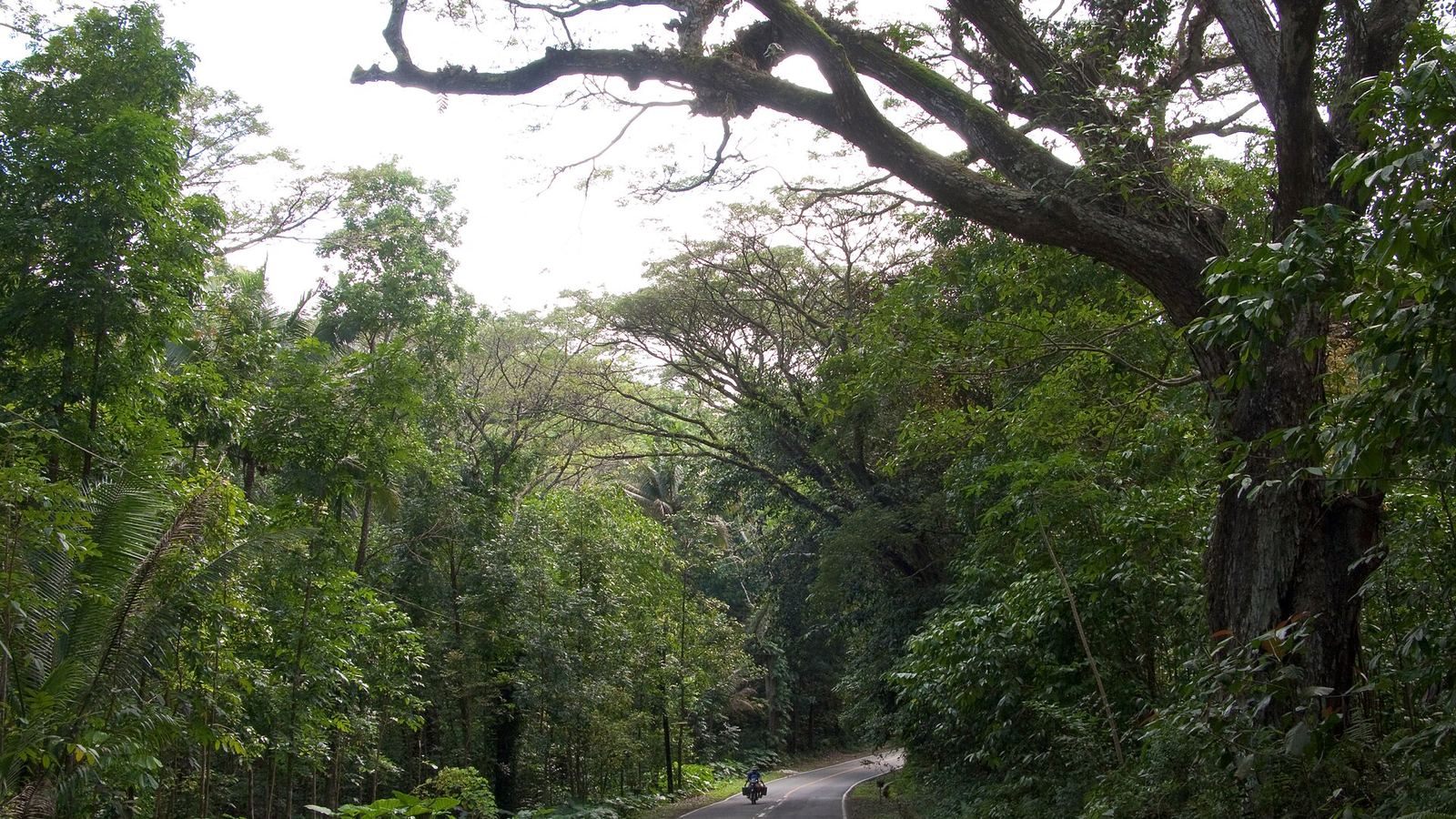
Overland Philippines is a journey through islands linked by RoRo ferries: the Cordillera and the Halsema road, Ilocos and Vigan, Palawan, by 4x4, by motorcycle and with local support.
Local overland guides and active trips in Philippines on GuideMeet.
As of November 2026: 2 local guides on GuideMeet operating in Philippines — 1 4x4, 2 motorcycle, 1 camper / van.
Local overland guides in Philippines
 Tourismo Filipino
Manila, Philippines · 4x4 car, camper / van, adventure motorcycleManila-based Philippines DMC and tour operator since 2010. We support self-drive and overland travelers with local lead guides, a convoy lead vehicle when need...
 Mike Hill
Tagaytay City, Philippines · adventure motorcycleXPLR PH are the leading motorcycle adventure tour and rental company in the Philippines. Our passion for exploration, freedom, and adventure drives us to provi...
Active trips in Philippines
- Palawan Overland: Puerto Princesa to El Nido · 4 days
- Bicol Road Trip: Volcanoes and Coast · 5 days
- North Luzon Loop: Cordillera and Coast · 7 days
- 14 Day Luzon Loop Guided Tour · 14 days
- 9 Day Mountains & Highlands Guided Tour · 9 days
- 9 Day Coastal & Island Guided Tour · 9 days
Planning a trip in Philippines?
Browse local guides for Philippines and contact them directly. Or create your own trip and find travel companions.
Are you a local guide in Philippines?
Join GuideMeet and get discovered by overland travelers looking for local knowledge, 4x4 support and expedition expertise in Philippines.
The Philippines for overland travelers
The Philippines is an archipelago with no land borders: your own vehicle cannot arrive overland, and you get from one island to another on roll-on/roll-off (RoRo) ferries. Driving is on the right. The journey is built around the crossings, the mountain roads of Luzon, typhoons and the caution that the Italian foreign ministry's Viaggiare Sicuri advice asks for outside the cities.
Key destinations
The Cordillera
From Baguio, the Baguio–Bontoc road, the Halsema, crosses the mountains of Benguet to Bontoc, in Mountain Province; from there you continue to Sagada and to Banaue, in Ifugao. The Rice Terraces of the Philippine Cordilleras have been a UNESCO World Heritage Site since 1995. In the rainy season, landslides and road collapses close stretches of the Halsema or reduce them to a single lane with alternating traffic, sometimes for months: advisories are issued by the Cordillera office of the Department of Public Works and Highways (DPWH). The Viaggiare Sicuri advice recommends avoiding mountain roads, particularly at night (see Safety).
Ilocos
On the northwest coast of Luzon, the historic town of Vigan has been a UNESCO World Heritage Site since 1999. The church of Paoay, in Ilocos Norte, and that of Santa Maria, in Ilocos Sur, are part of the Baroque Churches of the Philippines, a UNESCO World Heritage Site since 1993.
Bicol and Mayon
The road south crosses the Bicol region to Matnog, in Sorsogon, from where RoRo ferries cross to Allen, on the island of Samar. Mayon, in Albay, is an active volcano: around the crater, the volcanology institute PHIVOLCS maintains a permanent 6 km danger zone that may not be entered. Albay and Bicol are on the Viaggiare Sicuri advice's list of areas for caution (see Safety).
Mindoro and Panay
The western RoRo route runs from Batangas to Calapan, on Mindoro; from Roxas, on the east coast of Mindoro, other ferries go to Caticlan, on the island of Panay. Batangas and Mindoro are also on the advice's list of areas for caution.
Palawan
On Palawan, Puerto Princesa Subterranean River National Park has been a UNESCO World Heritage Site since 1999. The advice strongly advises against sailing between south-central Palawan and the Sulu archipelago; check vehicle connections with the operators.
Permits and logistics
According to the Viaggiare Sicuri advice, an Italian license is generally accepted for short periods, up to three months from entry, with an English translation certified by the embassy. The international driving permit on the Vienna Convention model is recognized, and the advice recommends having one. For the temporary import of a vehicle shipped in from abroad, ask the Bureau of Customs, the customs authority, about conditions and documents beforehand.
On RoRo ferries, vehicle passage is charged by the meters of deck occupied (lane-meters), as provided by Executive Order 170 of 2003. On expressways, motorcycles are only allowed with an engine of at least 400 cc, as set by Department Order 2007-38 of the then Department of Transportation and Communications (DOTC). Helmets are compulsory for riders and passengers, on every road (Republic Act 10054).
Best time to go
According to the Viaggiare Sicuri advice, tropical storms and typhoons are frequent, especially from June to December, with flooding and blocked traffic, and forecasts do not always predict their track and intensity accurately. The advice recommends not traveling in the monsoon season, from June to November, because bad weather can leave you stranded. The PAGASA weather service issues cyclone alerts with five wind signals, from 1 (39 to 61 km/h) to 5 (185 km/h or more).
Safety
The Viaggiare Sicuri advice calls for the utmost care in planning trips anywhere in the Mindanao region, the only exception being the island of Siargao, which for now raises no concerns. In particular, avoid the center and northwest of the island (Maguindanao, Lanao del Sur, Lanao del Norte, Sultan Kudarat, North and South Cotabato, Misamis Occidental), the southern part of the Zamboanga peninsula (the provinces of Zamboanga del Norte, Zamboanga del Sur, Zamboanga Sibugay and Zamboanga City) and the islands southwest of Mindanao, Basilan, Sulu and Tawi-Tawi, because of recurring armed clashes between the army and communist rebels, the persistent threat of attacks and the risk of foreigners being kidnapped by groups affiliated with Islamic State. The risk can extend to other areas, as far as the Visayas, including well-known tourist spots in the south of Cebu, on Siquijor and on Bohol, where the advice recommends avoiding crowds of any kind.
The 2016 national state of emergency remains in force: there are checkpoints along the roads of the archipelago, and the security forces may search people and vehicles. If you are stopped, the advice recommends following instructions calmly and cooperatively. Renewed fighting with the Maoist NPA rebels calls for more caution when traveling outside the cities throughout the country, particularly in the provinces of Albay, Batangas, Laguna and Bicol and on the island of Mindoro; because of banditry, the southern Visayas and the northeast of Luzon are also areas for particular caution.
The advice describes a road network that, despite gradual improvement, remains critical, and chaotic traffic in which many drivers are uninsured. It recommends avoiding rural, mountain and secondary roads and the outskirts of cities, particularly at night. Crime, terrorism and local laws are covered in the Philippines safety sheet on GuideMeet.
Why a local guide matters
The same advice discourages do-it-yourself travel or travel in small groups, especially within the country, because of incidents of banditry and terrorism, and recommends relying on travel agencies with proven local knowledge and high reliability. On GuideMeet, local guides and operators have a profile showing their vehicles and the trips they offer, and you contact them directly: you see who you are traveling with before you set off.
Bottom line
The Philippines is a country of islands linked by RoRo ferries, mountains with seasonal landslides and a long typhoon season: the difficulties are the crossings, the weather, the rules for motorcycles and the areas the advice asks you to avoid. From the Cordillera to Ilocos or along the ferries toward the Visayas, guides who know the ports, roads and seasons make the journey realistic.
Travelling with a local guide
Not sure whether you need a guide, or how to pick one you have never met? Travelling with a local guide covers when a guide is genuinely needed, what to check before leaving (permits, vehicle, emergency contacts) and how to agree price and exceptions.
Frequently asked questions
How do I find overland guides in Philippines on GuideMeet?
Browse local guides for Philippines on GuideMeet, compare their experience, vehicles and languages, and message them directly to plan routes, permits and border crossings. As of November 2026, there are 2 local guides on GuideMeet operating in Philippines (1 4x4, 2 motorcycle, 1 camper / van).
How much does it cost to contact a guide in Philippines?
Nothing — GuideMeet is free and takes no commission. You contact the guide directly on the platform and agree terms between yourselves, with no middleman.
Are you a local guide in Philippines?
Join GuideMeet and get discovered by overland travelers looking for local knowledge, 4x4 support and expedition expertise in Philippines.