GuideMeet country page
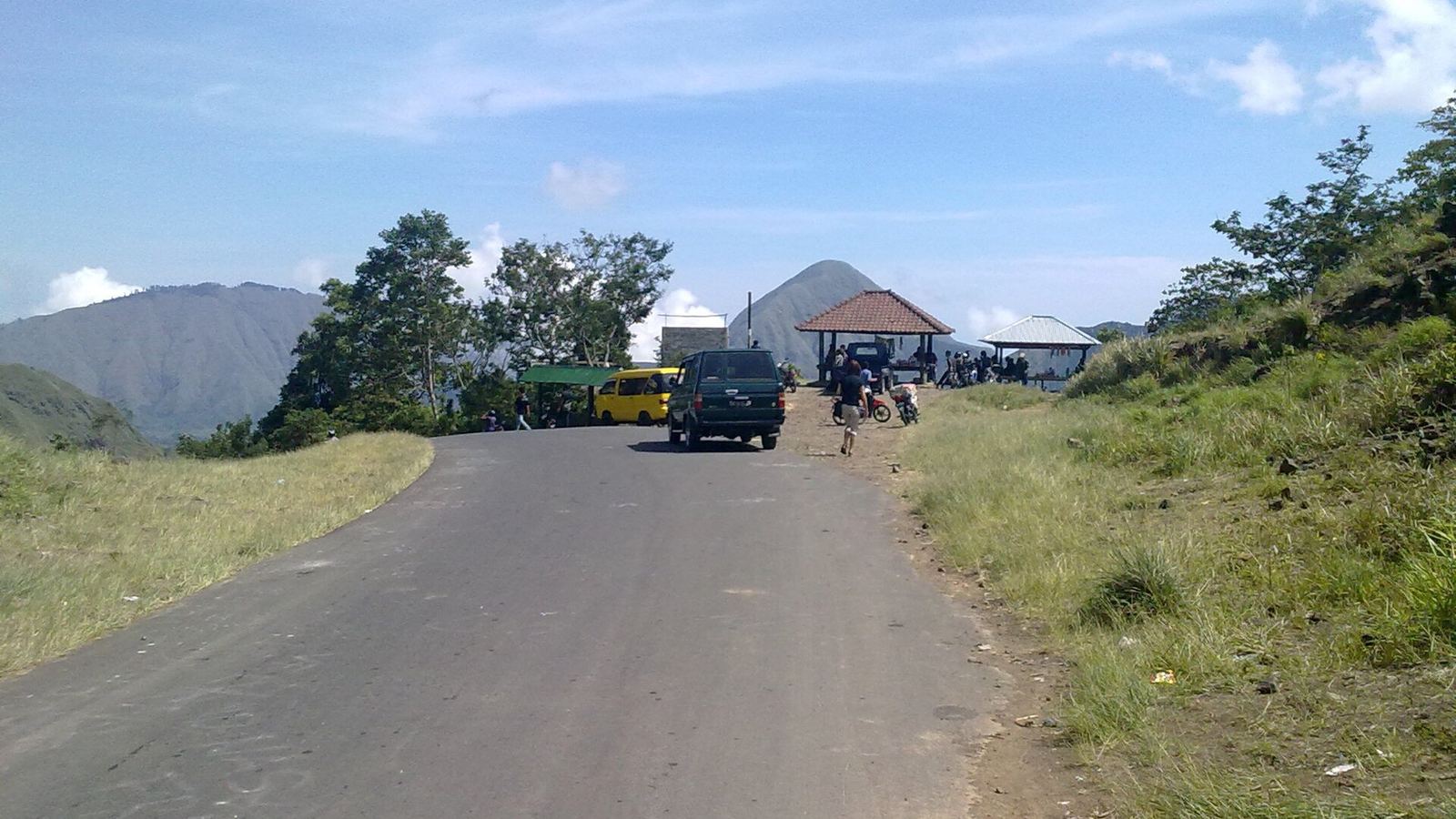
Indonesia – overland guides and trips
Overland Indonesia is a journey through islands linked by ferries: Java and Bromo, Bali, Lombok, the Trans-Flores to Kelimutu, Sumatra and Lake Toba, by 4x4, by motorcycle and with local support.
Local overland guides and active trips in Indonesia on GuideMeet.
As of November 2026: 13 local guides on GuideMeet operating in Indonesia — 7 4x4, 2 motorcycle, 2 camper / van.
Local overland guides in Indonesia
 Wander Sumatra Tour
Bukit Lawang, Indonesia · 4x4 carWander Sumatra – Local Guide & Travel Experience in North Sumatra Welcome to Wander Sumatra Tour, a local travel team based in Bukit Lawang, North Sumatra. We...
 Dawel Rinjani
Lombok, Indonesia · 4x4 carWe are tour and travel base in lombok offering Rinjani trekking tour packages & offering daily tour packages explore all around lombok with professional guide...
 Iron Rent Bali
BIG BIKE IRON RENT - motorcycle rental, Индонезия · offroad motorcycle, adventure motorcycleIron Rent Bali (ironbike.id) is a motorcycle rental and motorbike tour company based in Seminyak / Canggu, Bali, Indonesia. Our local guides lead small groups...
 Andi Susyandi
Jakarta, Indonesia · 4x4 vanHi travellers please cone to Jakarta, Indonesia, and will show you around for City Tour or Overland tour in Jawa Island and Bali. My tour program most for Visi...
- Gamal Nasyer · Jayapura, Indonesia
- Bagas Adventure · Pulau Lombok, Indonesia
- Teguh Handoko · Sumbawa Besar, Indonesia
- Husni Mubarak · Pulau Lombok, Indonesia
- Asa Lidarto · Lombok, Indonesia
- Eyun · Lombok, Indonesia
- Nyoman Parno · Bali, Indonesia
- Made Gita · Bali, Indonesia
Show more (1)
Active trips in Indonesia
- Explore the Beach and Cultural Tourism of the Wave City of Sarmi · 7 days
- Crossing The Great Mamberamo · 9 days
- Bali Motorcycle Photo & Video Tour to Black Sand Beach + Instagram Reel, Half Day (from $60) · 1 days
- Bali Black Sand Beach Dirt Bike Tour on Kawasaki KLX 230, Half Day (from $110) · 1 days
- Mandalika MotoGP Circuit Track Day, Lombok: Bike, Coaching & Gear (from $305) · 1 days
- Java Ijen Blue Fire Motorcycle Tour from Bali, 2 Days / 1 Night (from $245) · 2 days
- UNESCO Jatiluwih Rice Terraces Motorcycle Tour Bali, Full Day (from $125) · 1 days
- Black Lava Bike Tour Bali: Mount Batur 2 Days / 1 Night, Sunrise & Hot Springs (from $185) · 2 days
Show more (5)
- Black Lava Bike Tour Bali: Mount Batur & Kintamani, 1 Day (from $125) · 1 days
- Jakarta City Tour · 1 days
- Whale Shark Tour · 1 days
- Whale Shark · 2 days
- mount batur jeep sunrise and paperhills caffe · 1 days
Past trips
Planning a trip in Indonesia?
Browse local guides for Indonesia and contact them directly. Or create your own trip and find travel companions.
Are you a local guide in Indonesia?
Join GuideMeet and get discovered by overland travelers looking for local knowledge, 4x4 support and expedition expertise in Indonesia.
Indonesia for overland travelers
Indonesia is an archipelago of between 13,000 and 17,000 islands, depending on how you count them. With a vehicle you do not drive a single road but a chain of islands linked by vehicle ferries, run by the state-owned ASDP Indonesia Ferry and by private operators. Driving is on the left.
Key destinations
Bromo and Ijen
Bromo, 2,329 meters high, rises from the Tengger Sand Sea, a plain of about 5,250 hectares at 2,100 meters above sea level in Bromo Tengger Semeru National Park. Here your own car or 4x4 stops at the entrances: since 2022 the park authority has not let private four-wheel vehicles in, and beyond Cemoro Lawang, Wonokitri and Jemplang the only four-wheelers allowed through are the local association's jeeps and service vehicles. The same park is home to Semeru, the highest peak on Java and one of the volcanoes with an exclusion zone. At the far eastern end of the island, Ijen lies between Bondowoso and Banyuwangi, near the port of Ketapang, where you cross to Bali.
Bali and Lombok
There is no bridge between Java and Bali: the strait is crossed by ferry between Ketapang and Gilimanuk, in about an hour. From Padangbai, on Bali's east coast, ferries to Lembar, on Lombok, take 4–5 hours. From Lombok, the ferry between Kayangan and Poto Tano goes on to Sumbawa.
Flores and Komodo
Flores is reached from Sumbawa on the ASDP ferry between Sape and Labuan Bajo, and crossed end to end on the Trans-Flores road, from Labuan Bajo to Larantuka by way of Ruteng, Bajawa, Ende and Maumere. Komodo National Park, a UNESCO World Heritage Site since 1991, includes Komodo, Rinca, Padar and 26 smaller islands and is visited by boat from Labuan Bajo: the vehicle stays on land. Kelimutu, with three crater lakes of different colors, is near Moni, about 50 km east of Ende. East of Maumere the road passes close to Lewotobi Laki-Laki, one of the volcanoes with an exclusion zone: in 2025 eruptions and mudflows closed the Maumere–Larantuka stretch several times, so check its status on MAGMA Indonesia before driving it.
Sumatra and Lake Toba
From Merak, at the western tip of Java, ASDP ferries cross the Sunda Strait to Bakauheni, at the southern tip of Sumatra. From there the Trans-Sumatra Toll Road heads north, planned to run 2,818 km to Banda Aceh, with 1,235 km open as of October 2024. Lake Toba, in the north, is a caldera about 100 km long and 30 km wide; Samosir Island, in the middle, is reached on the ASDP vehicle ferry between Ajibata and Ambarita.
Borders
The land borders are on shared islands: with East Timor on Timor (the Mota'ain crossing, near the north coast), with Malaysia on Borneo (Entikong, on the road between Pontianak and Kuching) and with Papua New Guinea. The Italian foreign ministry's Viaggiare Sicuri advice warns against travel to Papua and describes public order in West Timor as cyclically turbulent. It also reports travelers turned back when leaving through a crossing that was not on the immigration list: plan the route so that you exit through one of the listed crossings.
Permits and logistics
You need an international driving permit, on the 1949 Geneva or 1968 Vienna model, also valid for two-wheelers if you ride a motorcycle. Your own vehicle needs a carnet de passages en douane, required by customs regulation PER-09/BC/2015 for vehicles brought in temporarily to be driven. Insurance is not compulsory, but you can take out cover for one or two months. The visa on arrival (e-VOA) is valid for 30 days and can be extended once for another 30.
Toll roads (jalan tol) do not take cash: you pay with contactless prepaid cards. They are reserved for vehicles with four or more wheels, and motorcycles can only use them where there is a separate lane, as on the Suramadu Bridge and the Bali Mandara Toll Road. Since 2018 the Trans-Java Toll Road has run without a break from Merak to Surabaya. Since July 2024, ASDP ferry tickets at Merak, Bakauheni, Ketapang and Gilimanuk can only be bought online, on the Ferizy website or app, with the vehicle class. Non-resident foreign travelers arriving in Bali, including from elsewhere in Indonesia, pay an entry levy, which can be paid online. The advice also reports possible difficulties in getting fuel.
Best time to go
The driest season runs roughly from May to October, with differences from region to region. From October to April flooding and landslides are frequent and can make stretches of Java and Sumatra impassable. In the dry season, in south-central Sumatra (Jambi, Riau, Bengkulu, South Sumatra) smoke from forest fires reduces visibility and can reach levels dangerous to health. On Bali, on Nyepi, the Hindu New Year, nobody may travel for 24 hours from 6 a.m. and the airport is closed, and ASDP suspends the Ketapang–Gilimanuk and Padangbai–Lembar ferries.
Safety
The Viaggiare Sicuri advice describes driving standards as "highly questionable" and road connections as difficult and unreliable, and suggests considering a car with a driver. Foreigners involved in traffic offenses or accidents can face extortion: after an accident, wait for the police at the scene. On Bali, motorcycle and scooter accidents, including fatal ones, are rising sharply: always wear a helmet and, if possible, do not drive at night. Also on Bali, the advice recommends turning to reputable businesses and agencies rather than "freelance" guides and intermediaries. The advice recommends not driving alone at night, leaving your route and timings with someone and traveling in convoy when you can. Safety standards on ferries are generally inadequate: check the life jackets and lifeboats before departure, and crossings after sunset are advised against.
With more than 120 active volcanoes, check the MAGMA Indonesia bulletins (magma.esdm.go.id) before going near one and respect the exclusion zones set for each volcano; earthquakes and tsunamis can strike anywhere in the archipelago. The advice reports terrorist groups in Central Sulawesi, where it recommends particular care in Palu, Poso and Tentena, and calls South Sulawesi a risk area for tourists and travelers. For Papua and Aceh it asks travelers to check with the Indonesian embassy about any special permits; in Aceh it recommends attention to the risk of politically motivated violence, and Islamic law applies to non-Muslims too. Crime, terrorism and local laws are covered in the Indonesia safety sheet on GuideMeet.
Why a local guide matters
The same advice recommends carefully assessing the reliability of guides and tour operators and whether basic safety equipment is present; at Bromo, beyond the entrances, cars and 4x4s continue in local jeeps in any case. On GuideMeet, local guides and operators have a profile showing their vehicles and the trips they offer, and you contact them directly: you see who you are traveling with before you set off.
Bottom line
Indonesia is not crossed on a single road: it is a sequence of islands, ferries and volcanoes, where the difficulties are the crossings, the rainy season, the exclusion zones around the craters and the vehicle paperwork. From Java to Flores or from Merak to Lake Toba, guides who know the ports, roads and park rules make the journey realistic.
Travelling with a local guide
Not sure whether you need a guide, or how to pick one you have never met? Travelling with a local guide covers when a guide is genuinely needed, what to check before leaving (permits, vehicle, emergency contacts) and how to agree price and exceptions.
Frequently asked questions
How do I find overland guides in Indonesia on GuideMeet?
Browse local guides for Indonesia on GuideMeet, compare their experience, vehicles and languages, and message them directly to plan routes, permits and border crossings. As of November 2026, there are 13 local guides on GuideMeet operating in Indonesia (7 4x4, 2 motorcycle, 2 camper / van).
How much does it cost to contact a guide in Indonesia?
Nothing — GuideMeet is free and takes no commission. You contact the guide directly on the platform and agree terms between yourselves, with no middleman.
Are you a local guide in Indonesia?
Join GuideMeet and get discovered by overland travelers looking for local knowledge, 4x4 support and expedition expertise in Indonesia.