GuideMeet country page
Estonia – overland guides and trips
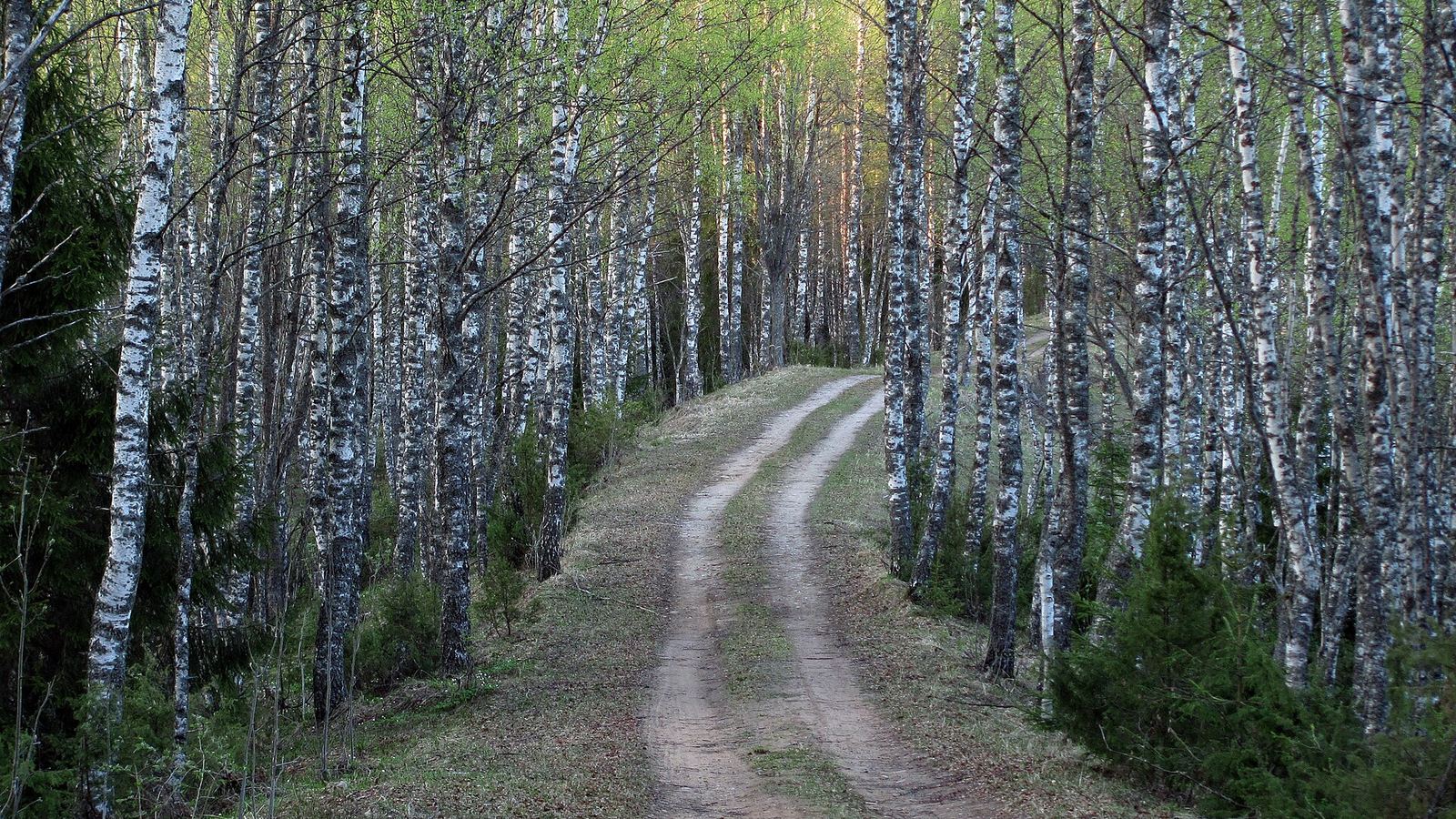
Overland Estonia takes in the coasts and forests of Lahemaa, the floods of Soomaa and the islands of Saaremaa and Hiiumaa, on forest roads, by motorcycle, 4x4 or camper van.
Local overland guides and active trips in Estonia on GuideMeet.
As of November 2026: 2 local guides on GuideMeet operating in Estonia — 1 4x4, 1 motorcycle, 1 camper / van.
Local overland guides in Estonia
 Konstantin Karkatsov
Tallinn, Estonia · offroad motorcycleI organize guided enduro motorcycle tours for riders who want real off-road adventure, adrenaline, and unforgettable experiences in nature. From technical fore...
 Edvins Bauers
Rīga, Latvija · 4x4 car, 4x4 truck, 4x4 vanGuide and 4x4 event organizer since 1999. Off-road tours, overland tours, 4x4 corporate events, overland routes in Latvia and Europe, route GPX files, wild cam...
Past trips
Planning a trip in Estonia?
Browse local guides for Estonia and contact them directly. Or create your own trip and find travel companions.
Are you a local guide in Estonia?
Join GuideMeet and get discovered by overland travelers looking for local knowledge, 4x4 support and expedition expertise in Estonia.
Estonia for overland travelers
Estonia lies on the Baltic, between the Gulf of Finland to the north, Latvia to the south and Russia to the east, with the large islands of Saaremaa and Hiiumaa to the west. With your own vehicle, the journey is built around three things: forests and parks where you may only drive on the roads, ferries and, in winter, ice roads to the islands, and an eastern border with few crossings, closed at night.
Key destinations
Lahemaa
Lahemaa National Park, established in 1971 on the north coast, east of Tallinn, is the oldest and largest in Estonia. In protected areas the Keskkonnaamet, the state environmental agency, asks you to stay on the designated roads and to park in parking areas or at the roadside; tents and fires are only allowed at designated sites. On the Baltic coast, according to the Keskkonnaamet, the Nature Conservation Act requires vehicles to be parked at least 200 meters from the shoreline.
Soomaa
Soomaa National Park, established in 1993 in the southwest, is a region of peat bogs and rivers where the "fifth season" arrives every spring: as the snow melts, the rivers flood meadows and woods. Before going with your own vehicle, ask the Soomaa visitor center about water levels.
Saaremaa and Hiiumaa
Ferries run from Virtsu to Kuivastu, on the island of Muhu, which is linked to Saaremaa by a causeway, and from Rohuküla to Heltermaa, on Hiiumaa. Vehicle tickets are bought on praamid.ee or at the port: only part of the capacity is sold online, and the online ticket gives priority for the departure shown on it, while the one bought at the port is for the general queue and does not guarantee the next departure.
In winter, when the ice is strong enough, the Transpordiamet, the state transport agency, opens official ice roads to some of the islands. You may only drive onto them at the marked access points and in daylight, with seat belts unfastened, at least 250 meters behind the vehicle in front and without leaving the vehicle stationary. Driving on ice roads that have not yet been opened, the Transpordiamet warns, is life-threatening.
Borders
Latvia, like Estonia, is part of the European Union and the Schengen area. From Tallinn, the ferries to Helsinki also take cars and camper vans.
To the east the picture is different. According to the Italian foreign ministry's Viaggiare Sicuri advice for Estonia, of the crossings with Russia, Narva is open to pedestrians only, while Koidula and Luhamaa also take vehicles, all from 07:00 to 19:00; since August 2024, anyone heading into Russia has been subject, along with their vehicle and goods, to thorough checks that lengthen crossing times. According to the advice for Russia, Estonia does not let in vehicles with Russian plates, even if they are registered to European citizens.
In the southeast, the advice for Estonia calls for particular caution near the border, especially on state road 178, which runs through Russian territory for about a kilometer, in the Saatse Boot: there it is forbidden to stop the vehicle or move about on foot, and on 10 October 2025 the authorities closed the stretch for security reasons, after armed Russian soldiers without insignia were sighted. The Estonian police point drivers to a detour via Värska. The Viaggiare Sicuri advice for Russia recommends postponing all travel and assessing whether being in the country is absolutely necessary. Check which crossings are open before you set off.
Permits and logistics
According to the Viaggiare Sicuri advice, an Italian driving license is valid in Estonia, and on Italian plates you need no insurance documents beyond your own policy.
Headlights always stay on, during the day too. On board you need a fire extinguisher, a warning triangle (not on a motorcycle) and wheel chocks to put under the wheels when the vehicle is parked; on a motorcycle the helmet is compulsory. Winter tires are compulsory from 1 December: until 1 March according to the European Union's Your Europe portal, until the last day of February according to the Viaggiare Sicuri advice. Studded tires, according to the Transpordiamet, are allowed from 15 October to 31 March, and from 1 October to 30 April if roads and weather are wintry.
In the state forests, managed by RMK, motor vehicles and off-road vehicles may only use the roads and parking areas built for the purpose. Fires may only be lit at prepared fire sites and when it is permitted. Campsites and fire sites can be found with the RMK app, Loodusega koos.
Best time to go
Winter and spring set the calendar: winter, with winter tires from December and ice roads only when the Transpordiamet opens them, and spring, when the "fifth season" floods Soomaa.
Safety
The Viaggiare Sicuri advice describes a security situation that has so far remained good. It reports pickpocketing targeting tourists in crowded places in Tallinn and advises caution, especially at night, in some outlying districts and in the port area. The police have zero tolerance on speed limits, and fines are frequent. Crime, local laws and customs are covered in the Estonia safety sheet on GuideMeet.
Why a local guide matters
Which forest roads you can ride on a motorcycle, where to stop for the night with a camper van, whether the ferries to the islands have space and whether the ice roads are open: it changes from place to place and from season to season. On GuideMeet, local guides and operators have a profile showing their vehicles and the trips they offer, and you contact them directly: you see who you are traveling with before you set off.
Bottom line
Estonia is not a land of long tracks: it is a country of forests, coasts, peat bogs and islands, where the difficulties are the vehicle rules in the woods and on the coasts, the ferries, winter and an eastern border with few crossings. From Lahemaa to Soomaa or out to Saaremaa and Hiiumaa, guides who know the forest roads, ferries and seasons make the journey realistic.
Travelling with a local guide
Not sure whether you need a guide, or how to pick one you have never met? Travelling with a local guide covers when a guide is genuinely needed, what to check before leaving (permits, vehicle, emergency contacts) and how to agree price and exceptions.
Frequently asked questions
How do I find overland guides in Estonia on GuideMeet?
Browse local guides for Estonia on GuideMeet, compare their experience, vehicles and languages, and message them directly to plan routes, permits and border crossings. As of November 2026, there are 2 local guides on GuideMeet operating in Estonia (1 4x4, 1 motorcycle, 1 camper / van).
How much does it cost to contact a guide in Estonia?
Nothing — GuideMeet is free and takes no commission. You contact the guide directly on the platform and agree terms between yourselves, with no middleman.
Are you a local guide in Estonia?
Join GuideMeet and get discovered by overland travelers looking for local knowledge, 4x4 support and expedition expertise in Estonia.