GuideMeet country page
Costa Rica – overland guides and trips
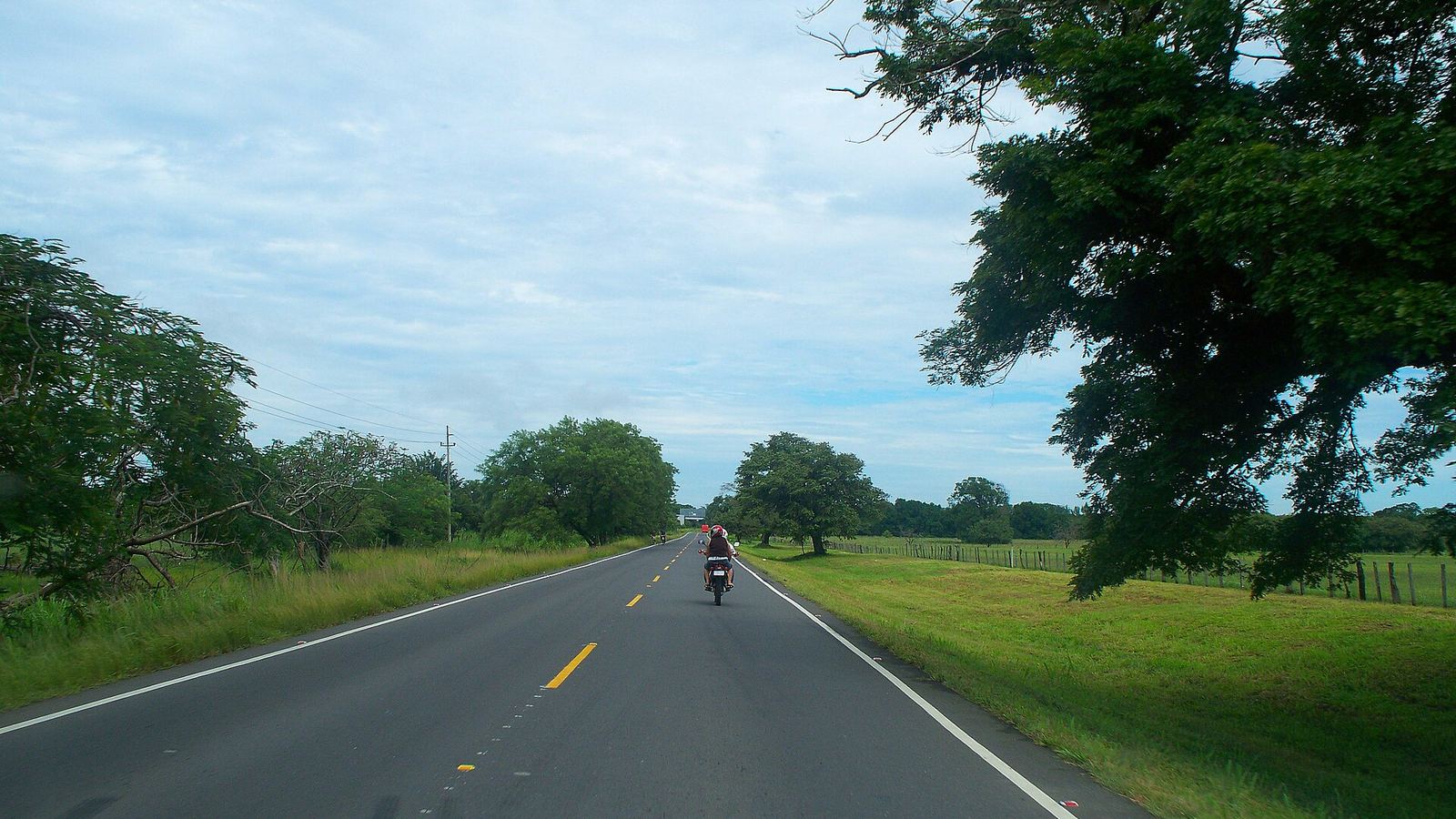
In Costa Rica you travel along the Interamericana, from Peñas Blancas to Paso Canoas via the Cerro de la Muerte, with detours to Arenal, Monteverde, Nicoya and toward the Caribbean, by 4x4 or camper van.
Local overland guides and active trips in Costa Rica on GuideMeet.
As of November 2026: 3 local guides on GuideMeet operating in Costa Rica — 3 4x4, 1 motorcycle, 2 camper / van, 1 bicycle.
Local overland guides in Costa Rica
 Costa rider Campervan
San José, Costa Rica · 4x4 car, camper / van, 4x4 van, 4x4 truckOwner of a rental agency for equipped vans and 4x4s with rooftop tents, I am passionate about Vanlife and expeditions.
 Todd Rogers
4x4 truckI have owned and operated Four Points Adventures LLC since 2012, an overland tour and 4x4 training company. With permits for Death Valley, the Grand Canyon, th...
 Rebecca Adventure Travel
Quito, Ecuador · 4x4 car, 4x4 van, offroad motorcycle, adventure motorcycle, bicycle / e-bikeRebecca Adventure Travel is a female-owned luxury boutique tour operator based in Quito, Ecuador. We specialize in creating purpose-driven luxury, family-frien...
Advice from local guides
3 November 2026The dry season runs from December to April and the green season from May to November. Each has its advantages. By car or by campervan, take your time to enjoy the landscapes and let yourselves be carried along by the Pura Vida.
Automatic translation.
Original text
La temporada seca va de diciembre a abril y la temporada verde de mayo a noviembre. Cada una tiene sus ventajas. En coche o en campervan, hay que tomar el tiempo para disfrutar de los paisajes y dejarse llevar por la Pura Vida.
14 November 2026In Costa Rica you can wild camp almost anywhere or sleep in the many campsites found almost everywhere. They are all listed in the iOverlander app (ioverlander.com). The roads have improved a lot, but there are still dirt tracks, especially in the Guanacaste region. In the dry season all the tracks are passable, but they get harder in the rainy season, when a 4x4 is better. The country is small but full of different places: here we don't talk in kilometres but in hours, because some roads are very slow.
Automatic translation.
Original text
Au Costa Rica il est possible de faire du camping sauvage un peu partout ou de dormir dans les nombreux campings se trouvant un peu partout. Ils sont tous référencés dans l'application ioverlander.com. Les routes se sont bien améliorées mais il reste des pistes notamment dans la région de Guanacaste. Durant la saison sèche toutes les pistes sont accessibles mais plus compliquées durant la saison des pluies où il est préférable d'avoir un 4x4. Le pays est petit mais regorge d'endroits différents, ici on ne parle pas en km mais en heure car certaines routes sont très lentes.
Planning a trip in Costa Rica?
Browse local guides for Costa Rica and contact them directly. Or create your own trip and find travel companions.
Are you a local guide in Costa Rica?
Join GuideMeet and get discovered by overland travelers looking for local knowledge, 4x4 support and expedition expertise in Costa Rica.
Costa Rica for overland travelers
Costa Rica lies on the Central American isthmus, between Nicaragua and Panama, between the Pacific and the Caribbean. The backbone is the Interamericana, Costa Rica's stretch of the Pan-American Highway: Route 1 runs from San José to Peñas Blancas, on the Nicaraguan border, and Route 2 heads down to Paso Canoas, on the Panamanian border. A trip with your own vehicle, or with a rented 4x4 or camper van, is built around these two roads, the rains and the rules for vehicles on beaches and in the city.
Key destinations
Cerro de la Muerte
Between the Valle Central and San Isidro de El General, Route 2 crosses the Cerro de la Muerte, where a sign marks the road's highest point at 3,335 meters. Landslides are frequent on this road, and in the rains the stretch has also been closed as a precaution.
Arenal and La Fortuna
The Arenal volcano, in Alajuela Province, sits at the center of a national park and has been dormant since 2010. From La Fortuna, at its foot, the road toward Tilarán runs along the northern side of the volcano.
Monteverde
Monteverde, with its cloud forest reserve, is reached from the Interamericana on Route 606, which climbs to Santa Elena.
The Nicoya Peninsula
The Nicoya Peninsula can also be reached by ferry from Puntarenas. Route 160 follows the coast from Paquera toward Sámara, Nosara and Santa Cruz.
The Caribbean coast
Route 32 runs from San José to Limón through Braulio Carrillo National Park; in the rainy season landslides are common on the road, and according to the Italian foreign ministry's Viaggiare Sicuri advice, in some places the road is sometimes closed to traffic at certain points. From Limón you continue toward Cahuita and Manzanillo.
Borders
Toward Nicaragua the crossing is Peñas Blancas, and the Viaggiare Sicuri advice for Nicaragua describes the Pan-American Highway up to that border as being of a good standard. The Costa Rica advice, however, recommends avoiding isolated areas, particularly those along the border with Nicaragua, where foreigners have been kidnapped for extortion in the past.
Toward Panama the crossings are Paso Canoas, on the Interamericana, and Sixaola, on the Caribbean side, where since 2021 a two-lane binational bridge has led to Guabito. According to the UK government, protests in Panama can block roads and affect access to Paso Canoas.
Permits and logistics
According to the Viaggiare Sicuri advice, an Italian license is valid. The traffic law, amended in 2024, allows tourists to drive the same type of vehicle on their foreign license for the length of stay granted by immigration. Third-party liability insurance is compulsory.
For your own vehicle, the advice states that a carnet de passages en douane is required for temporary import. A 2024 resolution of the General Directorate of Customs includes the tourist's vehicle in temporary import, without stating the duration: check the duration and documents with customs before you reach the border.
A vehicle may only go onto a beach with authorization from the Dirección General de Ingeniería de Tránsito, and the traffic police point out that anyone who drives or parks on the sand without authorization risks a fine. In central San José, inside the Circunvalación ring road, traffic is restricted Monday to Friday according to the last digit of the license plate, with suspensions during holiday periods: check the day before you drive into the city.
Best time to go
According to the Viaggiare Sicuri advice, the rainy season runs roughly from June to November. Tropical storms can make roads impassable through flooding or landslides, including those to airports and land borders, and there is a risk of landslides on the roads between the Valle Central and the two coasts: during a storm, the advice recommends not driving.
Safety
The Viaggiare Sicuri advice reports that crime has risen considerably in recent years, in tourist resorts too, car break-ins included. In the districts named in February 2024 by the Costa Rican Ministry of Security, among them La Fortuna, Tamarindo, Sámara, Cóbano and Jacó, there is a high number of robberies and thefts from cars. The advice recommends not traveling along the coastline, even by car and above all at night, particularly at Tamarindo, Montezuma and Jacó and between Limón, Cahuita and Manzanillo. Park away from isolated spots, with no valuables or documents in the car, and check that it is actually locked: thieves use devices that block remote locking. Another technique is to puncture tourists' tires and then offer help in order to rob them. In the national parks, where armed robberies of Italian tourists have been reported, the advice recommends going in a group and with authorized guides. Areas to avoid, local laws, drones and customs rules are covered in the Costa Rica safety sheet on GuideMeet.
Why a local guide matters
Which Nicoya roads stay passable in the rains, when the Cerro de la Muerte is open, where to leave the vehicle safely near the coast: it changes from place to place and from season to season. On GuideMeet, local guides and operators have a profile showing their vehicles and the trips they offer, and you contact them directly: you see who you are traveling with before you set off.
Bottom line
Costa Rica lies between two coasts and two borders: the difficulties are the rains and landslides, the rules for vehicles on beaches and in San José, the vehicle paperwork and thefts from cars. From the Cerro de la Muerte to Arenal, from Monteverde to the Caribbean coast, guides who know the roads, borders and seasons make the journey realistic.
Travelling with a local guide
Not sure whether you need a guide, or how to pick one you have never met? Travelling with a local guide covers when a guide is genuinely needed, what to check before leaving (permits, vehicle, emergency contacts) and how to agree price and exceptions.
Frequently asked questions
How do I find overland guides in Costa Rica on GuideMeet?
Browse local guides for Costa Rica on GuideMeet, compare their experience, vehicles and languages, and message them directly to plan routes, permits and border crossings. As of November 2026, there are 3 local guides on GuideMeet operating in Costa Rica (3 4x4, 1 motorcycle, 2 camper / van, 1 bicycle).
How much does it cost to contact a guide in Costa Rica?
Nothing — GuideMeet is free and takes no commission. You contact the guide directly on the platform and agree terms between yourselves, with no middleman.
Are you a local guide in Costa Rica?
Join GuideMeet and get discovered by overland travelers looking for local knowledge, 4x4 support and expedition expertise in Costa Rica.