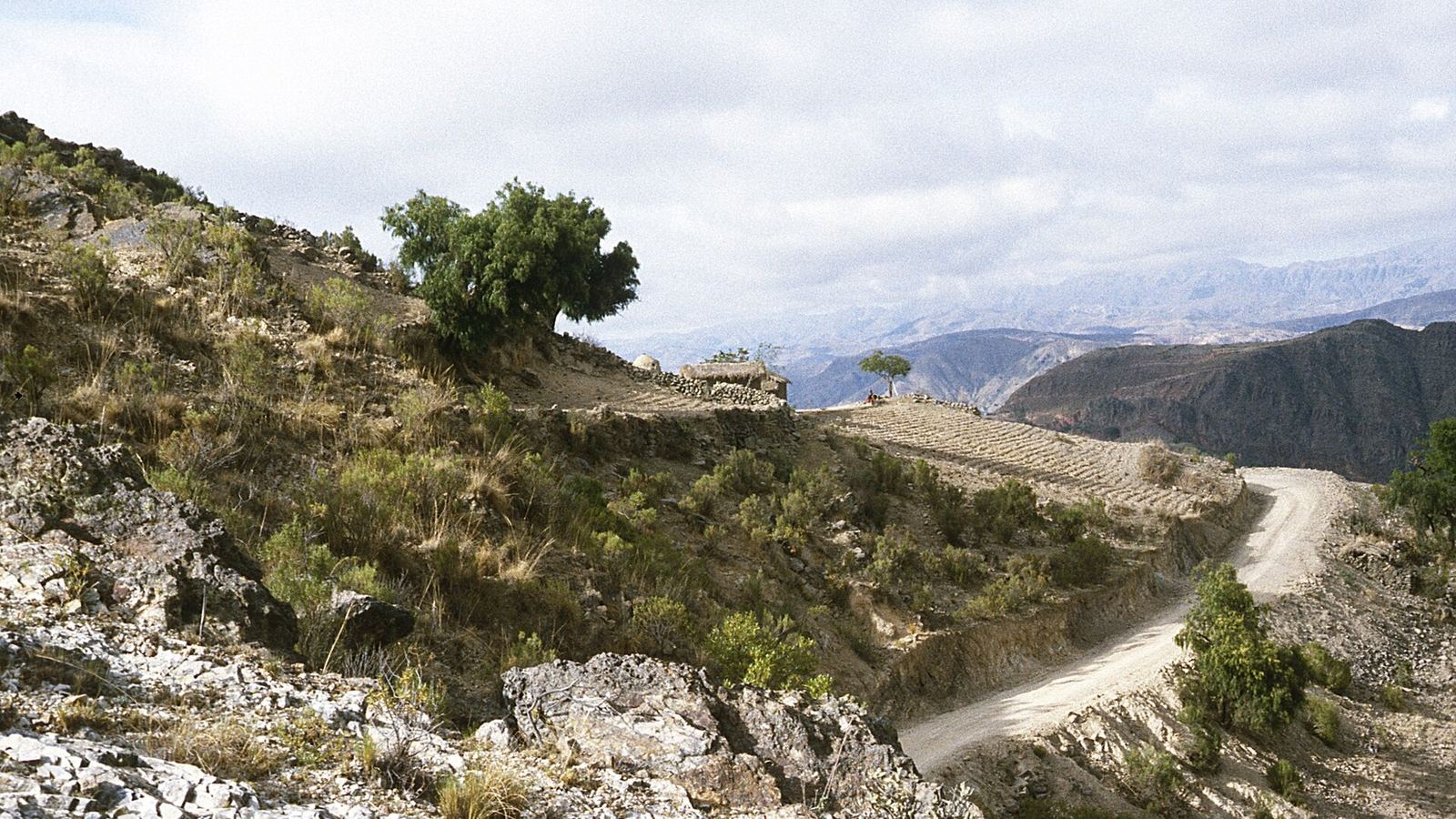
Is Bolivia safe to travel?
Updated October 2026
🌐 Italiano · Français · Español
Is a guide mandatory in Bolivia?
No, but strongly advised
At a glance, if you go with your own vehicle
- Roads: 17.6 deaths per 100,000 people a year, about 3.5 times Italy (5.0); WHO Americas region 14.1, world 15.0 (WHO estimate for 2021). (World Health Organization — Global status report on road safety 2023)
- Vehicle, drones and permits Temporary import of your vehicle Compulsory insurance Drones Wild camping Off-road driving and protected areas Starlink terminals what the official sources of the country say
Going with your own vehicle?
4 local guides on GuideMeet work in Bolivia: they know the roads, the permits and the areas to avoid. You contact them directly, free and with no commission.
 GEO TREK
La Paz, Bolivia Crhistian Austin
Santiago de Chile, Chile Tomas Karstegl
Punta Arenas, Chile
Trips with local guides
Safety
Our summary of the country advice published by the Italian Ministry of Foreign Affairs (Viaggiare Sicuri) on 29 September 2026.
Protests and roadblocks
The political and social situation keeps shifting and protests with road blockades can start without warning, in the cities and on the main roads between them. Take care when moving around and keep up with how the situation develops while you are in the country.
Border and no-go areas
Travel is advised against in every border area away from public roads and official crossings, and mines may be present in some zones along the Chilean border. It is advisable to avoid the Chapare region, where clashes between police and coca growers can occur. Take particular care in mining areas, the isolated parts of the Andean altiplano and the rural areas of Santa Cruz, Beni and Pando departments.
Robbery hot spots
Armed robberies have happened at Muela del Diablo and Palca near La Paz, and thefts have risen considerably on the Santa Cruz to Cochabamba road, mostly in the evening and where speed bumps force you to slow down. Violent robberies and express kidnappings for ransom have been reported against foreigners and tourists around Lake Titicaca, in tourist parts of central La Paz and in Santa Cruz, while money and documents are stolen at bus terminals and on public transport on the La Paz - Oruro - Salar de Uyuni route. Crime is now also growing in the residential districts of the main cities.
Petty crime and belongings
Petty crime keeps rising, especially in border areas and the biggest cities, in central and nightlife districts, even in daylight. Do not leave belongings such as your phone, tablet, laptop or camera unattended or show off valuables: thefts are increasing near bus terminals and on coaches linking tourist destinations with the main cities. Do not resist if you are attacked.
Approaches to refuse
Tourists have been robbed and assaulted by people claiming to be police, in uniform or plain clothes, who tell them to get into unmarked cars: do not get in, alert your embassy immediately and say you must first have its approval. In bars and clubs, drinks have been spiked with drugs that can knock people out and leave them open to theft, assault and sexual violence.
Guides and no coverage
The ministry advises avoiding individual trips unless they are well organised through travel agencies of proven reliability. It advises visiting the Yungas valley from La Paz to Coroico, the Salar de Uyuni, the Rurrenabaque circuit and the neighbouring Madidi rainforest park with authorised guides, and checking that guides on trips far from towns carry satellite phones. Phone and internet coverage may not work around Lake Titicaca and the Islands of the Sun and the Moon, in Madidi National Park, in the Lagunas Coloradas region and at the Salar de Uyuni, so before leaving the big cities share the contact details of your hotels and agencies with your family.
Before you rely on this
This is our summary of advice written by the Italian Ministry of Foreign Affairs for Italian travellers, published on 29 September 2026. We summarise in good faith, but we cannot guarantee it is accurate, current or complete, and we take no responsibility for decisions made on the basis of it. Rules change without notice and are applied by officials at the border, not by websites. Always read the original source and the travel advice your own government publishes for Bolivia before you travel. Where a guide's profile shows “Licence verified”, we found that licence in the official public register; otherwise GuideMeet has no way of checking whether an individual guide meets any standard mentioned here — ask them directly.
Source: Viaggiare Sicuri — Italian Ministry of Foreign Affairs, updated 29 September 2026. Last checked by GuideMeet on 7 October 2026.