GuideMeet country page
Albania – overland guides and trips
Explore Albania with mountain roads, wild beaches, and Balkan crossing routes that suit motorcycles, vans, 4x4s, and compact campers. Find guides and travel partners heading the same way.
Local overland guides and active trips in Albania on GuideMeet.
As of October 2026: 3 local guides on GuideMeet operating in Albania — 2 4x4, 1 motorcycle, 2 camper / van, 1 bicycle.
Local overland guides in Albania
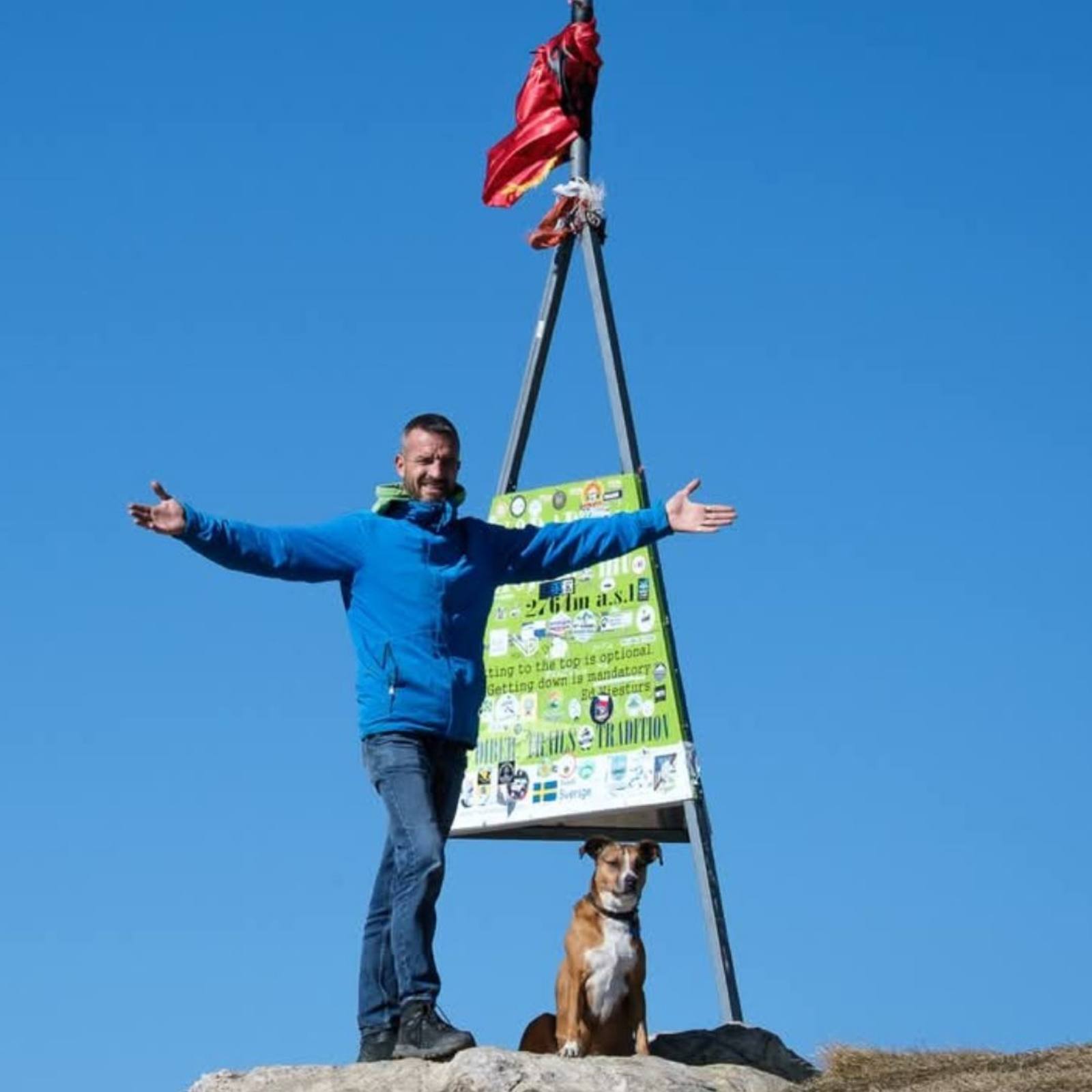 Kreshnik Topollaj — Tiranë, Albania · 4x4 car, camper / van, bicycle / e-bike
Kreshnik is my name, licenced tour guide operator, chauffeur for private transfers and tours. Find me and we ll have great memories
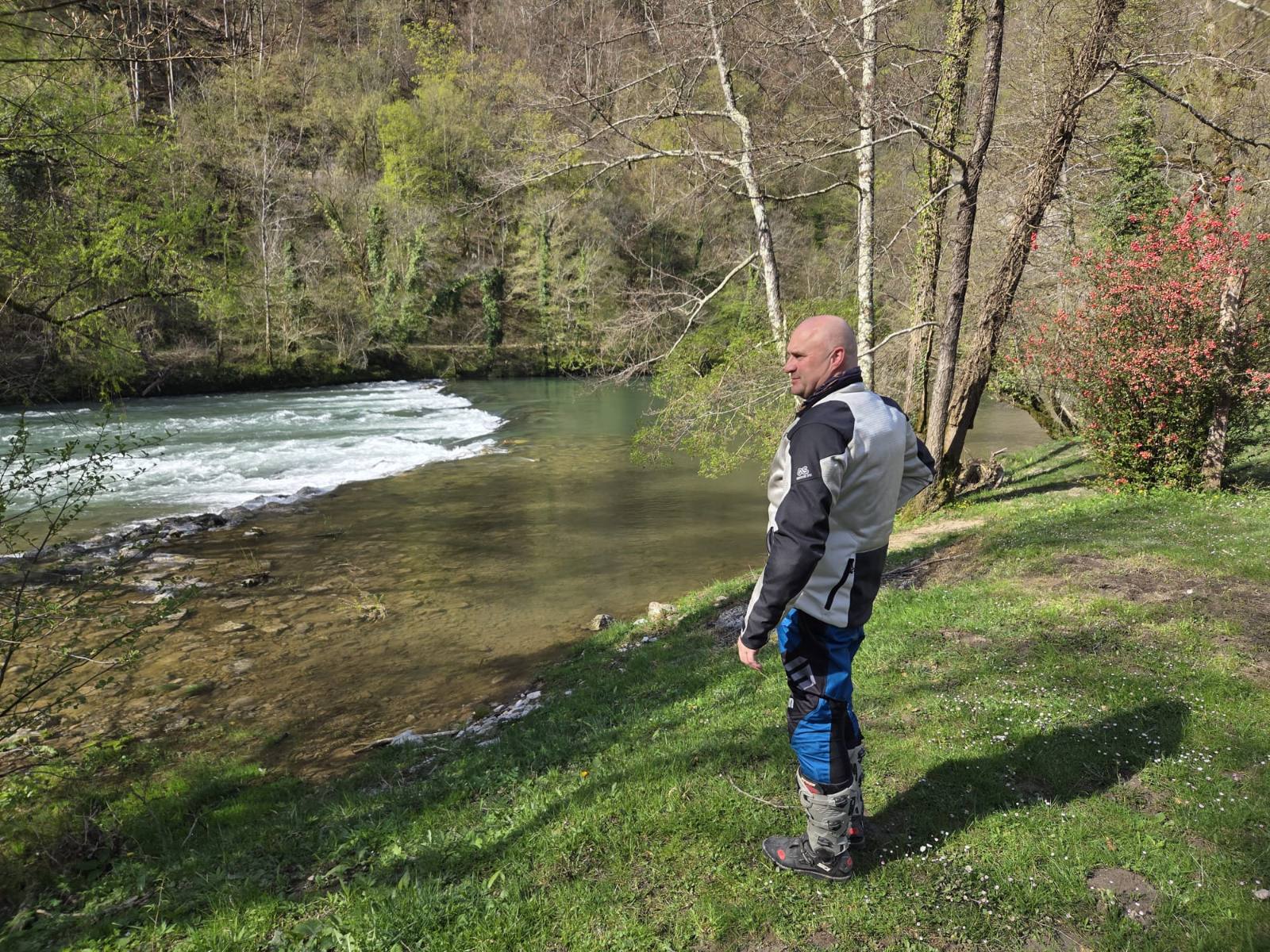 Roman Bale — Ljubljana, Slovenija · adventure motorcycle
We offer motorcycle adventure enduro events from daily trainings, weekend tours, and full on orientational, navigational international events and gatherings in...
 EDVINS BAUERS — Rīga, Latvija · 4x4 car, 4x4 truck, 4x4 van
Guide and 4x4 event organizer since 1999. Off-road tours, overland tours, 4x4 corporate events, overland routes in Latvia and Europe, route GPX files, wild cam...
Planning a trip in Albania?
Browse local guides for Albania and connect with experts who know the terrain, routes and border crossings. Or create your own trip and find travel companions.
Are you a local guide in Albania?
Join GuideMeet and get discovered by overland travelers looking for local knowledge, 4x4 support and expedition expertise in Albania.
Albania for adventure travel
Albania has undergone a quiet but profound transformation in the adventure travel world. For decades, it remained one of Europe's most isolated and inaccessible countries, closed off under one of the most rigid communist regimes of the twentieth century. That isolation, paradoxically, preserved something that most of Europe had long since lost: an interior that feels genuinely wild, roads that feel genuinely challenging, and a landscape that has not yet been processed and packaged for mass tourism. Today, Albania sits at the frontier of Balkan adventure travel, and serious overlanders, adventure motorcyclists, and off-road travelers are discovering it at an accelerating pace.
The centerpiece of Albanian adventure travel is the Albanian Alps, known locally as Bjeshkët e Namuna and sometimes translated as the Accursed Mountains. The name carries weight. These are not gentle hills softened by centuries of tourism — they are steep, raw, deeply incised limestone ranges where roads cling to ridgelines, valleys are accessed by single tracks barely wide enough for a loaded 4x4, and the sky appears almost too large above the treeline. The main trekking corridor between Valbona and Theth has earned international recognition as one of Europe's finest mountain walks, but what is less commonly known is that large sections of the same territory are navigable by vehicle. The road connecting Valbona to Theth via the high pass — one of the most dramatic pieces of driving anywhere in the Balkans — requires a capable 4x4, good ground clearance, and a genuine willingness to manage exposure. For adventure motorcyclists, this corridor is a benchmark route: technical enough to be demanding, scenic enough to be extraordinary, and remote enough to feel like genuine exploration.
Beyond the Theth-Valbona axis, the Albanian Alps unfold into a network of mountain roads that would take weeks to fully explore. The Valbona Valley itself, approaching from Bajram Curri, offers long stretches of riverside track, river crossings when water levels permit, and a sequence of views that rank among the most powerful in the Balkans. Further east, the border area with Kosovo and the high plateau zones around Tropoja and the Gashi River valley represent some of the least-traveled terrain in southeastern Europe. Here, formal roads give way to dirt tracks that are seasonal at best, requiring careful timing, good preparation, and local knowledge about current conditions.
The Adriatic and Ionian coastlines introduce a completely different dimension. Albania's coastal roads offer some of the most scenic driving in the region, with the Riviera south of Vlore and the stretch toward the Greek border consistently ranked among the finest coastal routes on the continent. But these roads are not just scenic backdrops — they form part of functional overland routes connecting Italy ferry ports with the Balkans interior. The crossing from Bari or Brindisi to Durres, or from Ancona to Vlore, puts travelers directly onto the Albanian coast with Serbia, North Macedonia, Kosovo, and beyond reachable within a day's drive. For overlanders building Balkan circuits, Albania is not a detour — it is the logical gateway.
The interior highlands south of the Albanian Alps, toward areas like Permet, Kelcyre, and the Vjosa Valley, offer a different kind of remoteness: villages accessible only by rough tracks, thermal valleys with almost no tourist infrastructure, and an agricultural landscape that still operates on traditional rhythms. The Vjosa River, one of Europe's last wild rivers, runs through terrain that is accessible by adventure vehicle but rarely visited by foreign travelers. This is the kind of territory where a local guide transforms the experience — not because the driving is technically impossible, but because navigating the informal track network, understanding which roads are passable in which conditions, and connecting with communities along the way requires knowledge that no mapping application currently provides.
The communist-era bunker landscape is one of Albania's most unusual visual signatures. The country contains an estimated 170,000 concrete bunkers built between the 1960s and 1980s under the directive of Enver Hoxha, distributed across fields, hillsides, coastlines, and mountain passes. Driving through Albania means driving through a historical record of Cold War paranoia made physical. The bunkers appear at altitude along mountain passes, scattered across coastal dunes, half-buried in farmland, and sometimes incorporated into the architecture of remote villages. For the traveler arriving from the mountains of the north or the passes from Kosovo, this landscape carries a particular kind of weight — a visual reminder that this terrain has been both dramatically isolated and profoundly shaped by history.
Vehicle considerations are worth addressing directly. Albania rewards preparation. Roads that appear passable on satellite imagery can be washed out, blocked, or severely degraded during wet seasons. The mountain roads in the north, particularly those accessing the high passes and border zones, require vehicles with genuine clearance and appropriate tires. 4x4 trucks and serious adventure bikes are the most capable tools for exploring the full range of Albanian terrain. Vans and camper conversions can access much of the country but will be excluded from the most interesting mountain routes. The compact size and mechanical simplicity of a well-prepared overlander is an advantage in the narrow village tracks and bridge crossings that define the Albanian interior.
The Balkan crossing context is significant. Albania sits at the intersection of several major overland routes. The approach from the north via Montenegro through Shkoder is one of the classic entry points, with the mountains visible from the border crossing and the contrast between the two countries immediate and striking. The crossing into Kosovo via Kukes and the road east toward Pristina connects Albania to the rapidly growing adventure travel scene in the Western Balkans. South, the border crossings into Greece via Kakavija or Kapshtica open options for travelers building longer Mediterranean or southeastern European loops. For those working a full Balkan circuit, Albania is the country that most consistently delivers unexpected terrain, relative solitude, and a sense of genuine discovery.
What ties all of this together — and what makes the difference between a competent trip and an extraordinary one — is access to people who know this terrain intimately. Albania's network of local guides and fixers is informal, fragmented, and largely invisible to arriving travelers. These are not professional guides in the agency sense: many are farmers, mechanics, or guesthouse owners who have driven these roads all their lives and possess an encyclopedic knowledge of conditions, seasonal access, alternate routes, and local hospitality. Finding them through word of mouth is possible but slow. GuideMeet changes that equation. The platform connects adventure travelers directly with these individuals — people who can unlock the high passes, navigate the track networks, warn about seasonal closures, and turn a competent trip into a defining one. In a country where the difference between the road on a map and the road on the ground can be measured in hours of extra driving, having the right local contact is not a luxury. It is what the experience is built on.
Travelling with a local guide
Not sure whether you need a guide, or how to pick one you have never met? Travelling with a local guide covers when a guide is genuinely needed, what to check before leaving (permits, vehicle, emergency contacts) and how to agree price and exceptions.
Frequently asked questions
How do I find overland guides in Albania on GuideMeet?
Browse local guides for Albania on GuideMeet, compare their experience, vehicles and languages, and message them directly to plan routes, permits and border crossings. As of October 2026, there are 3 local guides on GuideMeet operating in Albania (2 4x4, 1 motorcycle, 2 camper / van, 1 bicycle).
How much does it cost to contact a guide in Albania?
Nothing — GuideMeet is free and takes no commission. You contact the guide directly on the platform and agree terms between yourselves, with no middleman.
Are you a local guide in Albania?
Join GuideMeet and get discovered by overland travelers looking for local knowledge, 4x4 support and expedition expertise in Albania.